Workshop/Community Hub - 2023 - Camden, London
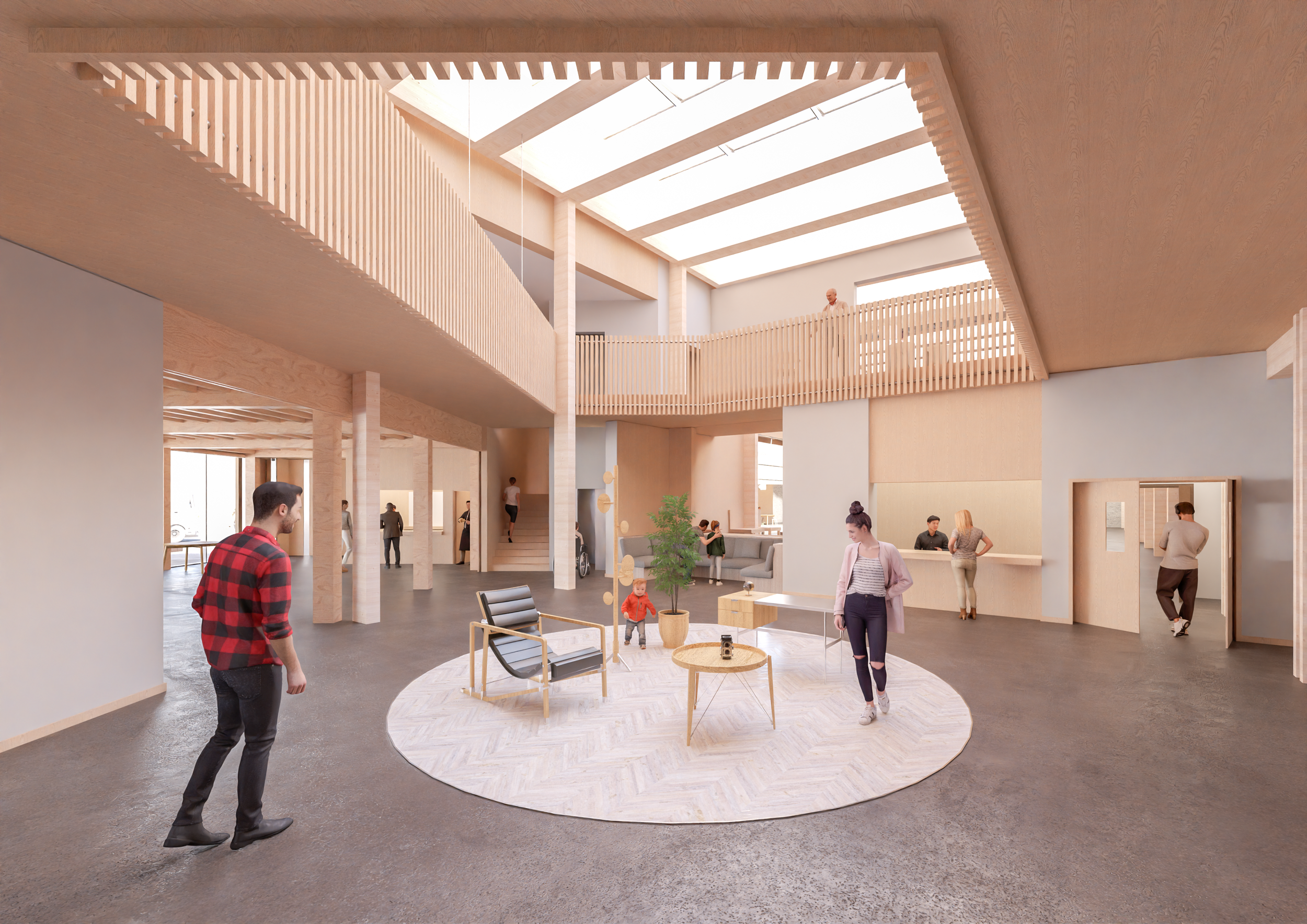
Located in the heart of Kentish town, this project combats the areas pertinent issues of adolescent unemployment and aimlessness among the rising older population.
Issues which are tackled by providing a creative social space in which intergenerational partnerships are formed, which can develop into self-sustaining businesses, and contributing to a sense of purpose.
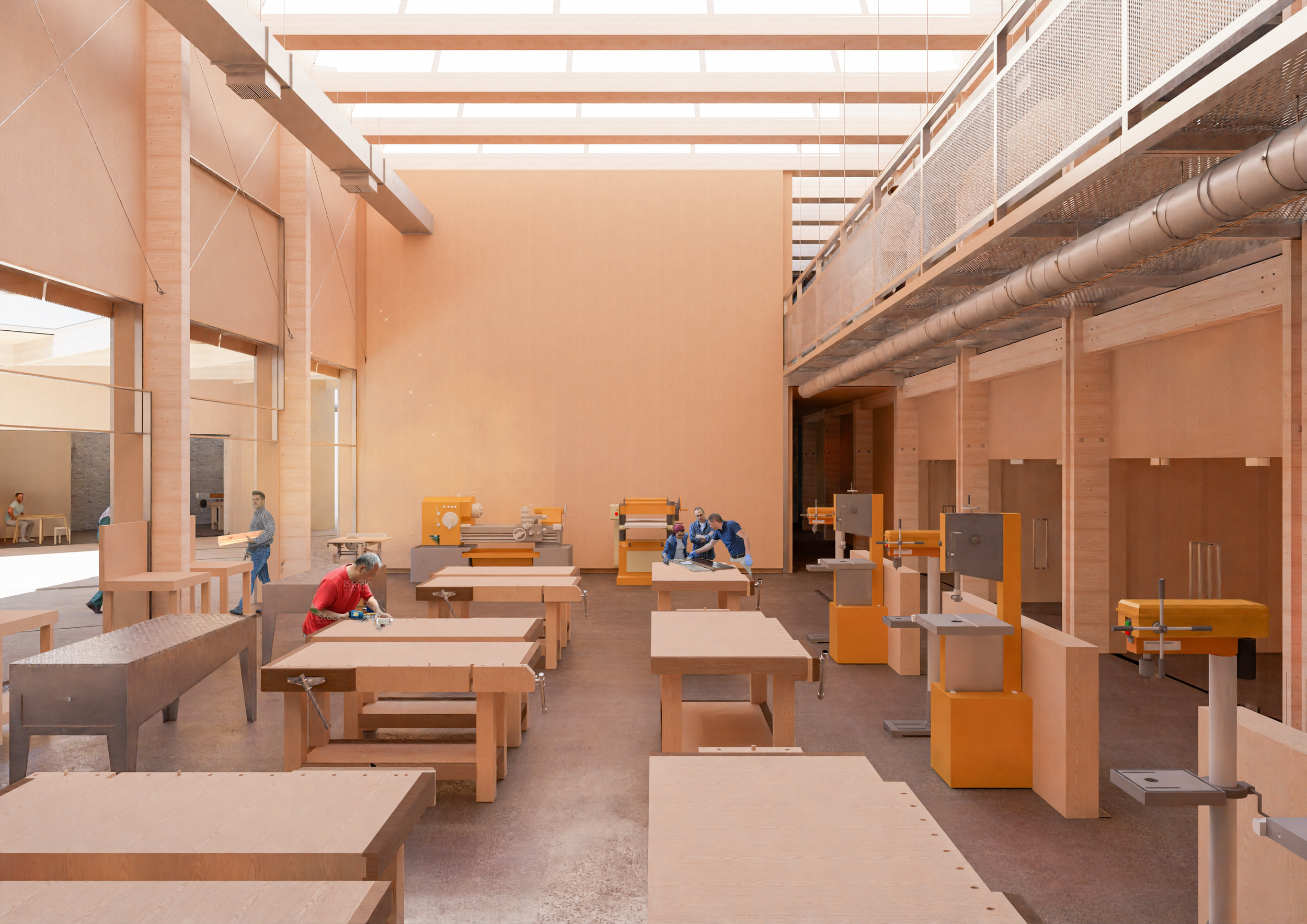
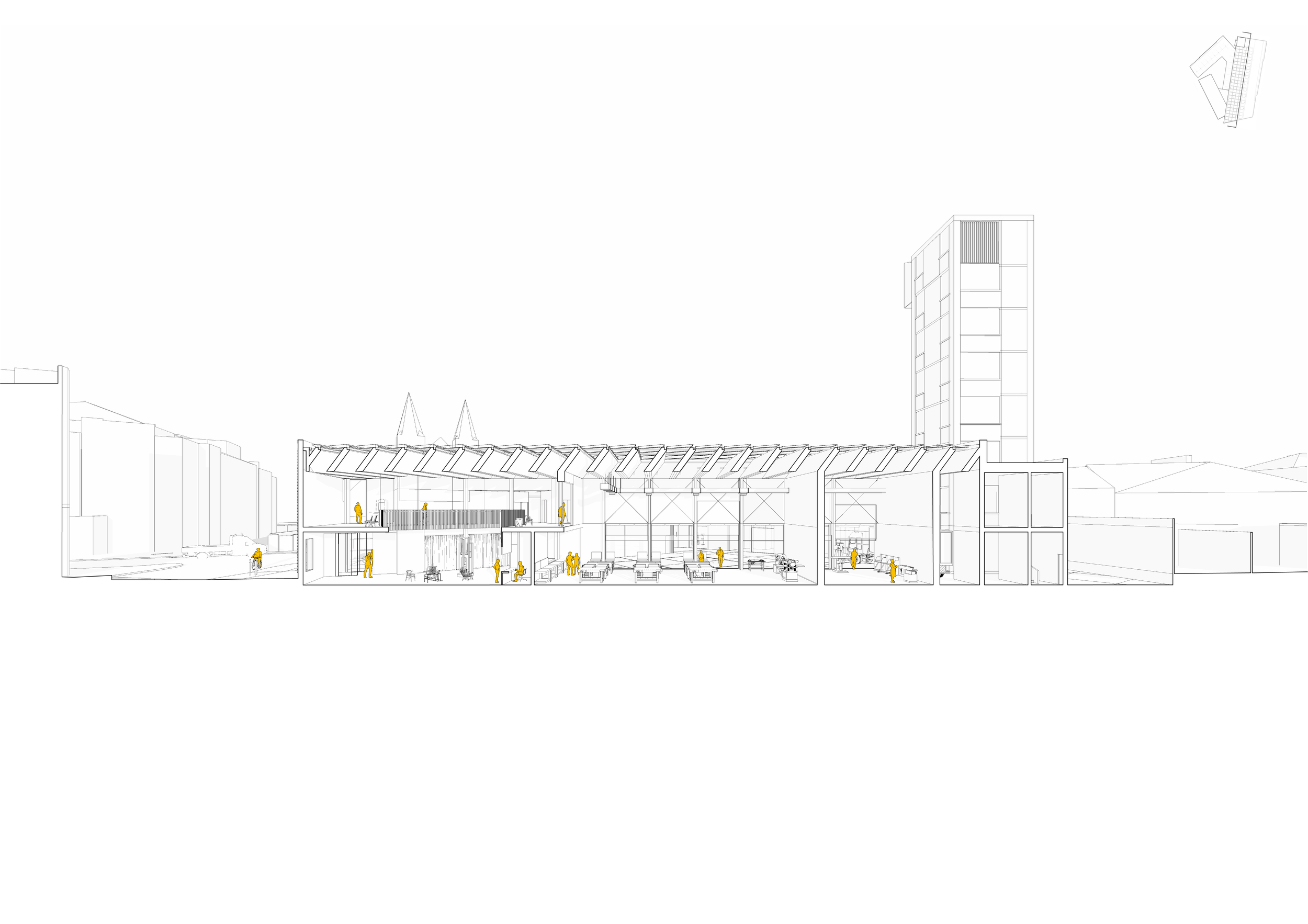
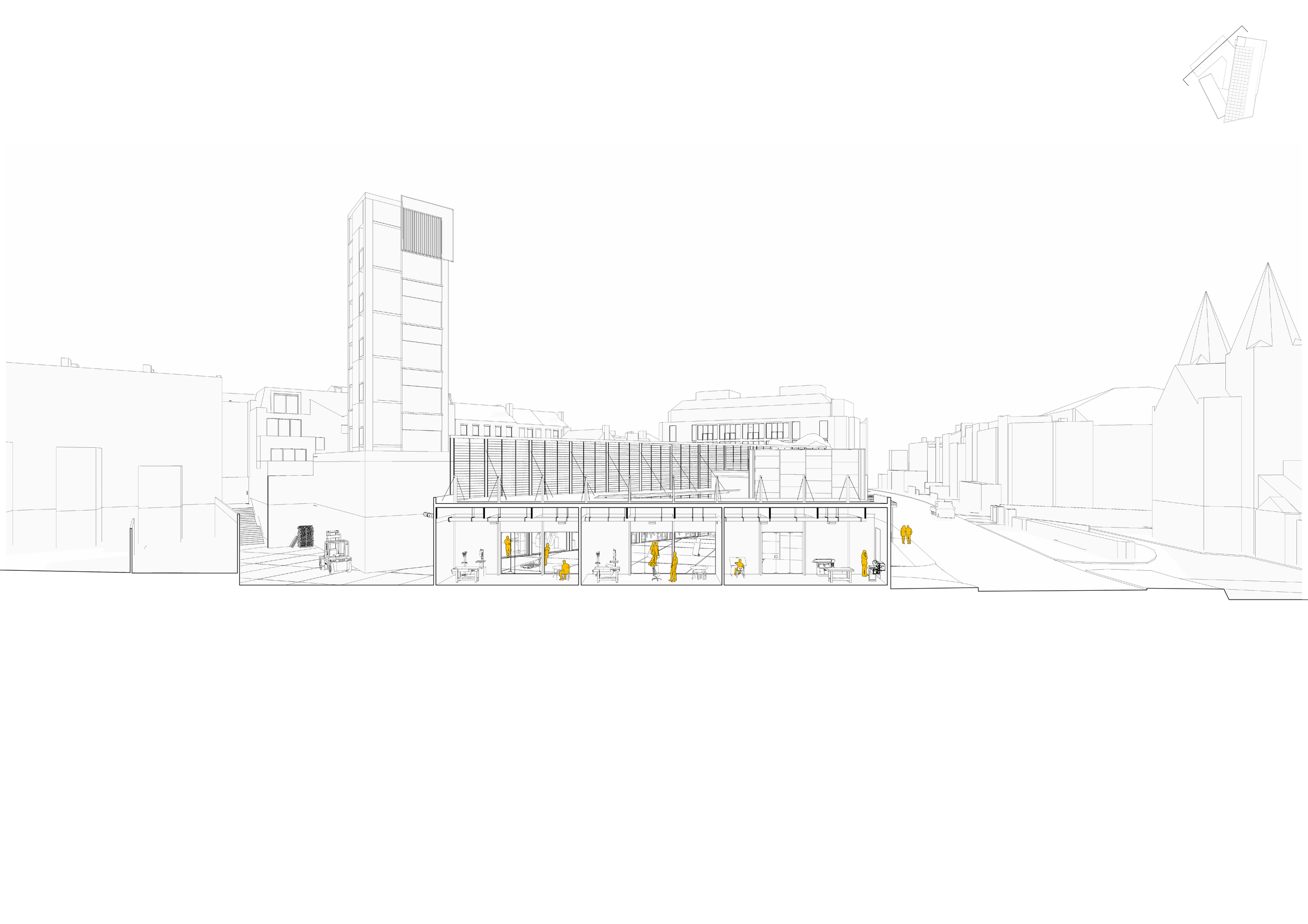
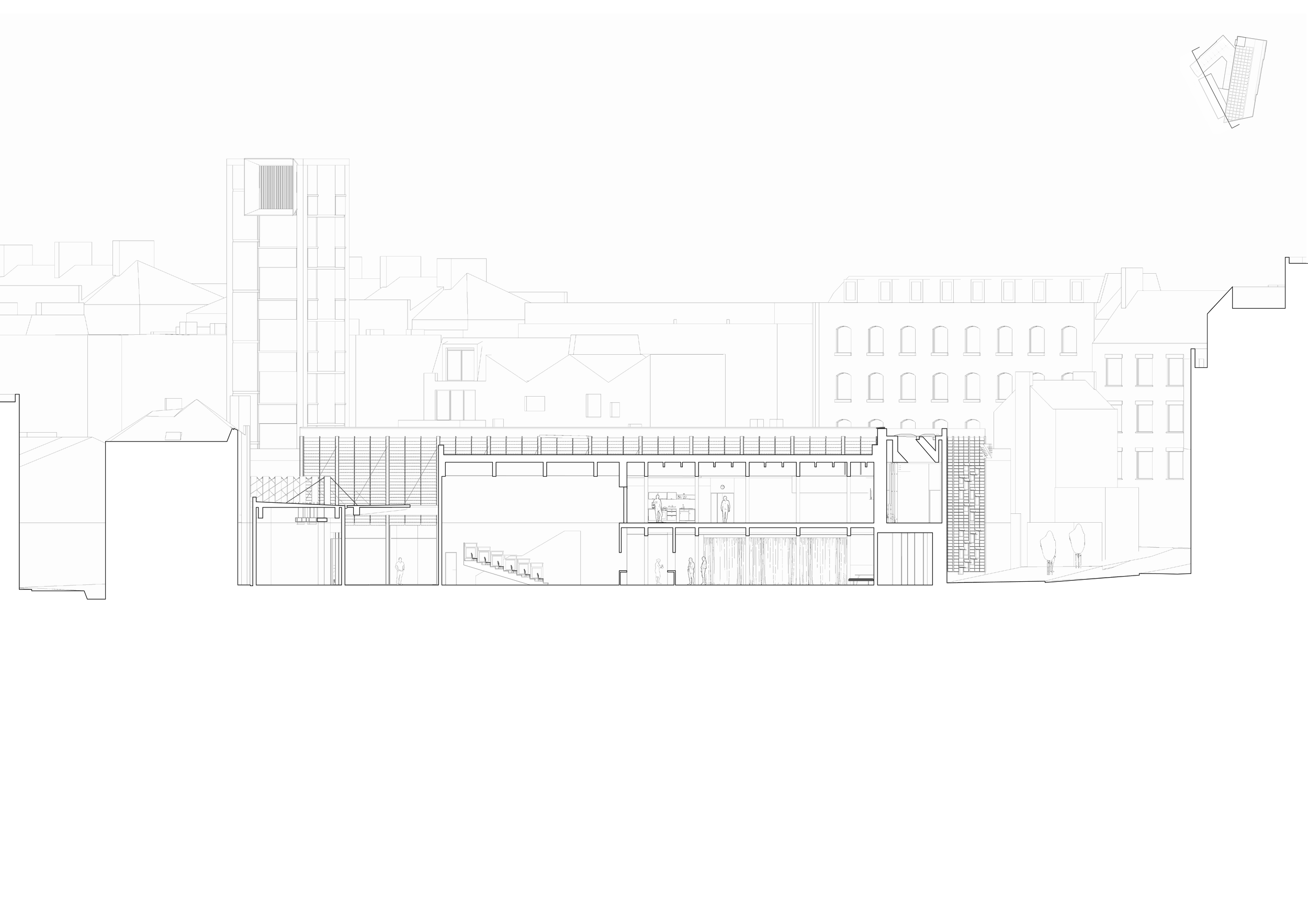
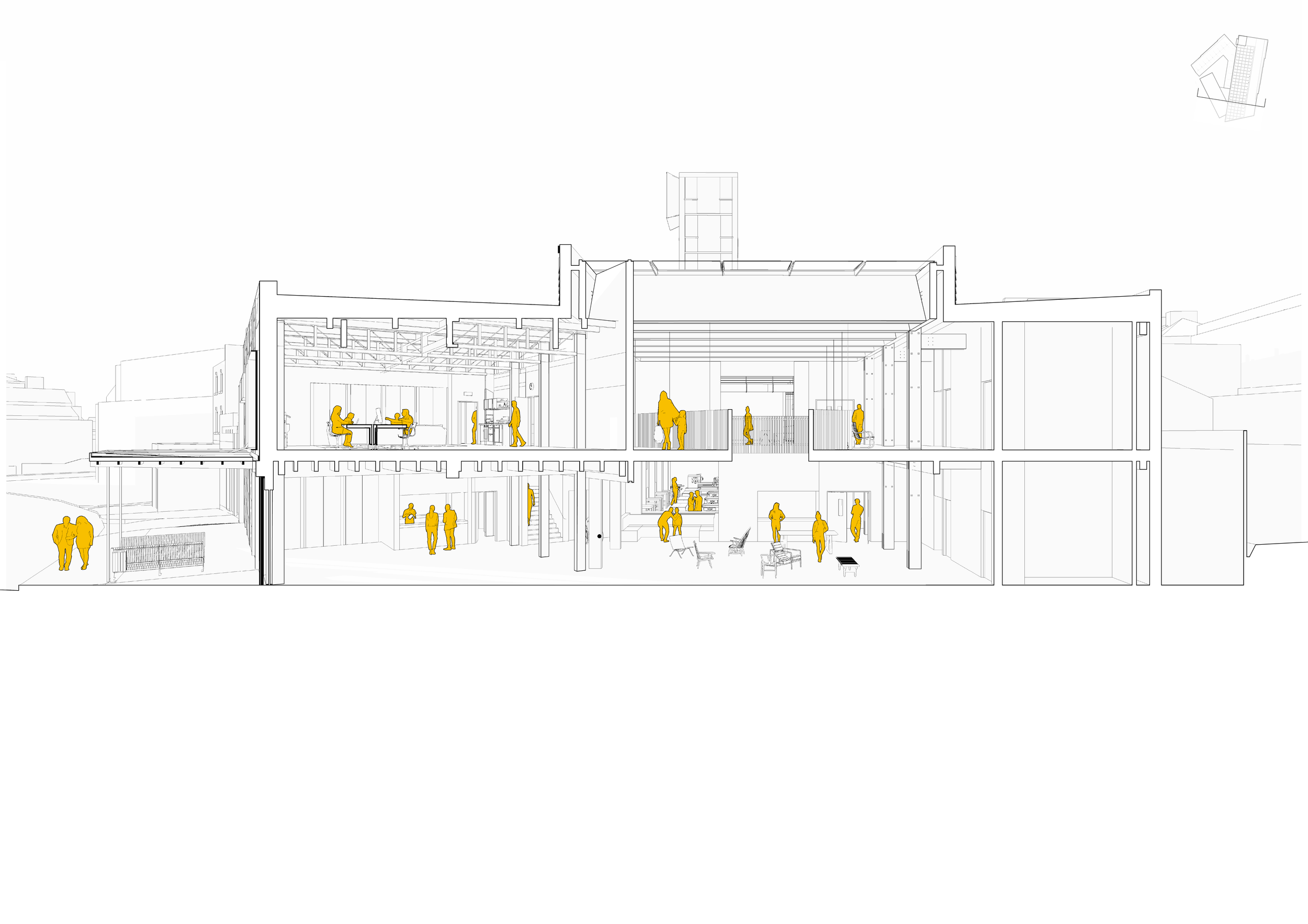
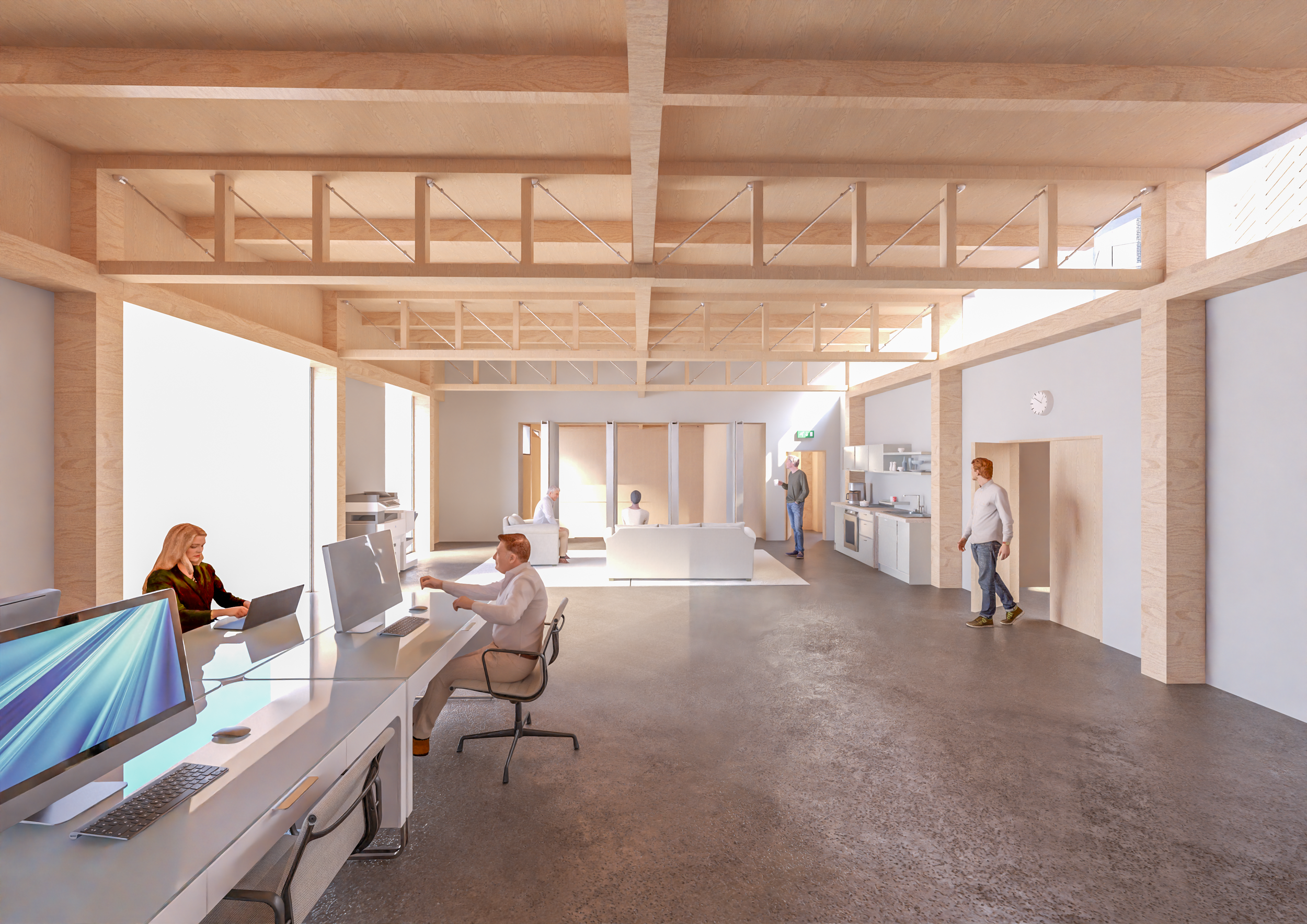
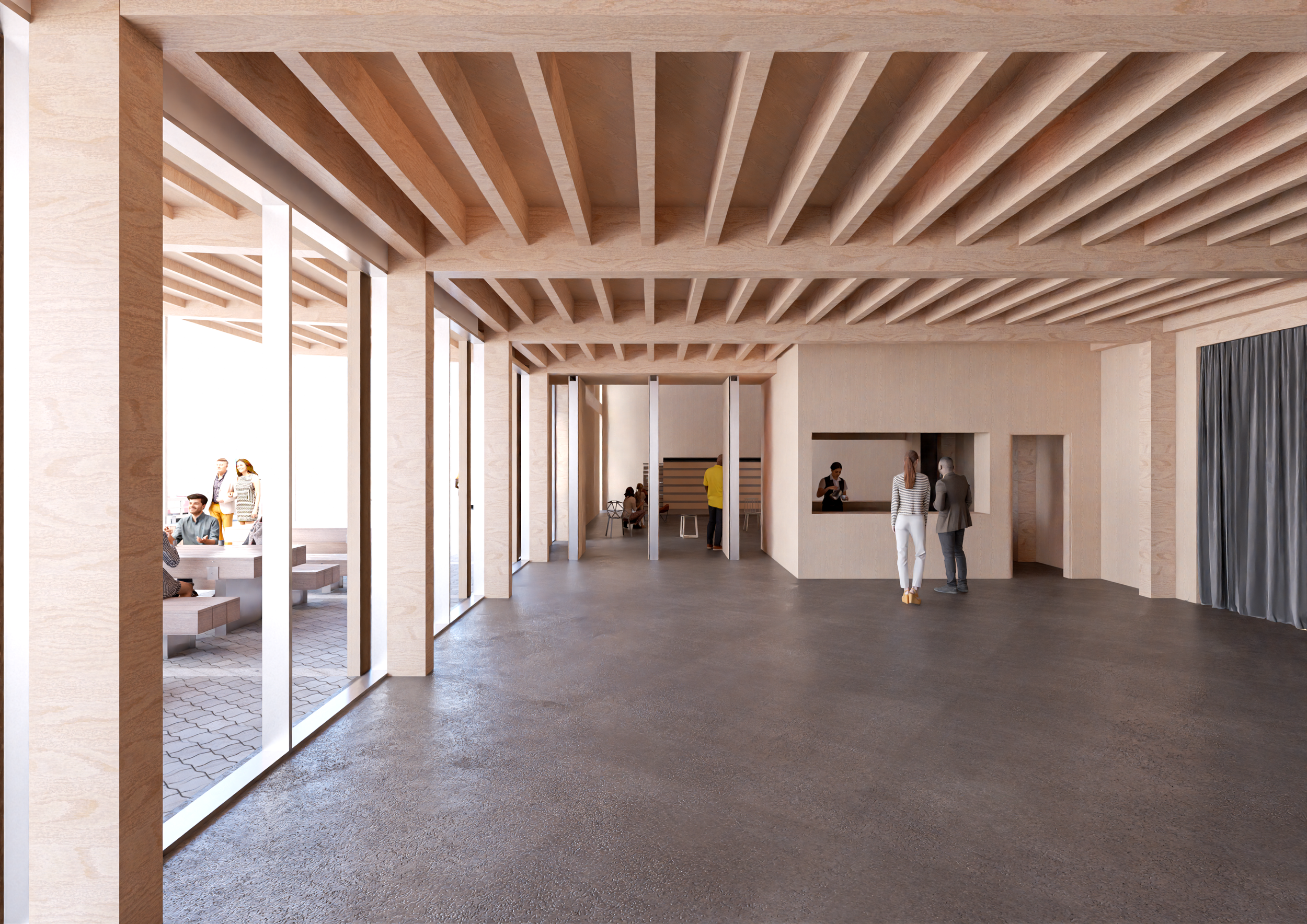
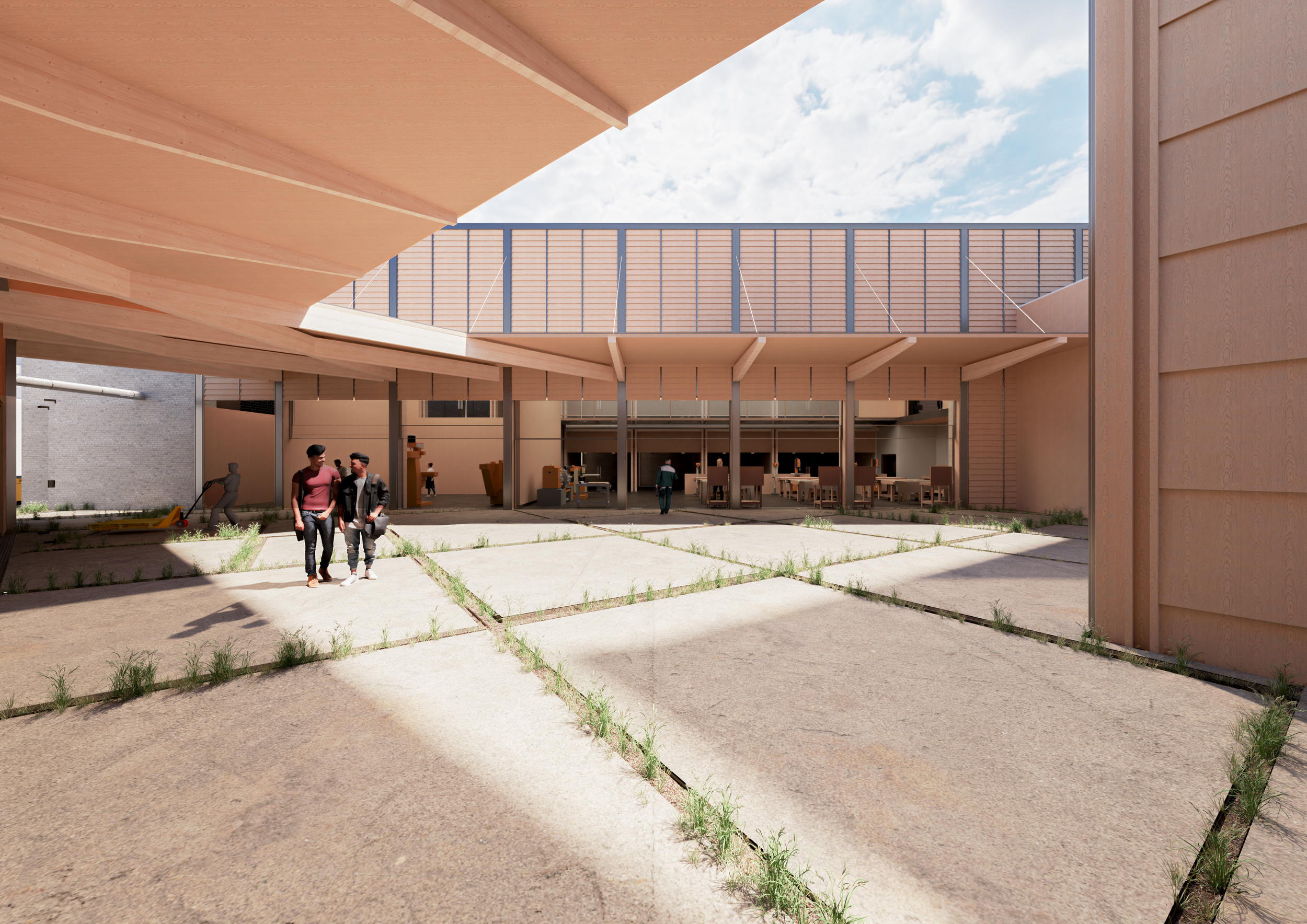
The scheme can be simplified down to 3 key spaces: a workshop, a community centre, and incubation units. All of which are co-dependent. At the heart of the building lies the working yard, in which the incubation units and workshop spaces spill out. As the scheme celebrates craft, the tectonics of the building have been carefully considered with the timber structure and servicing highlighted internally.
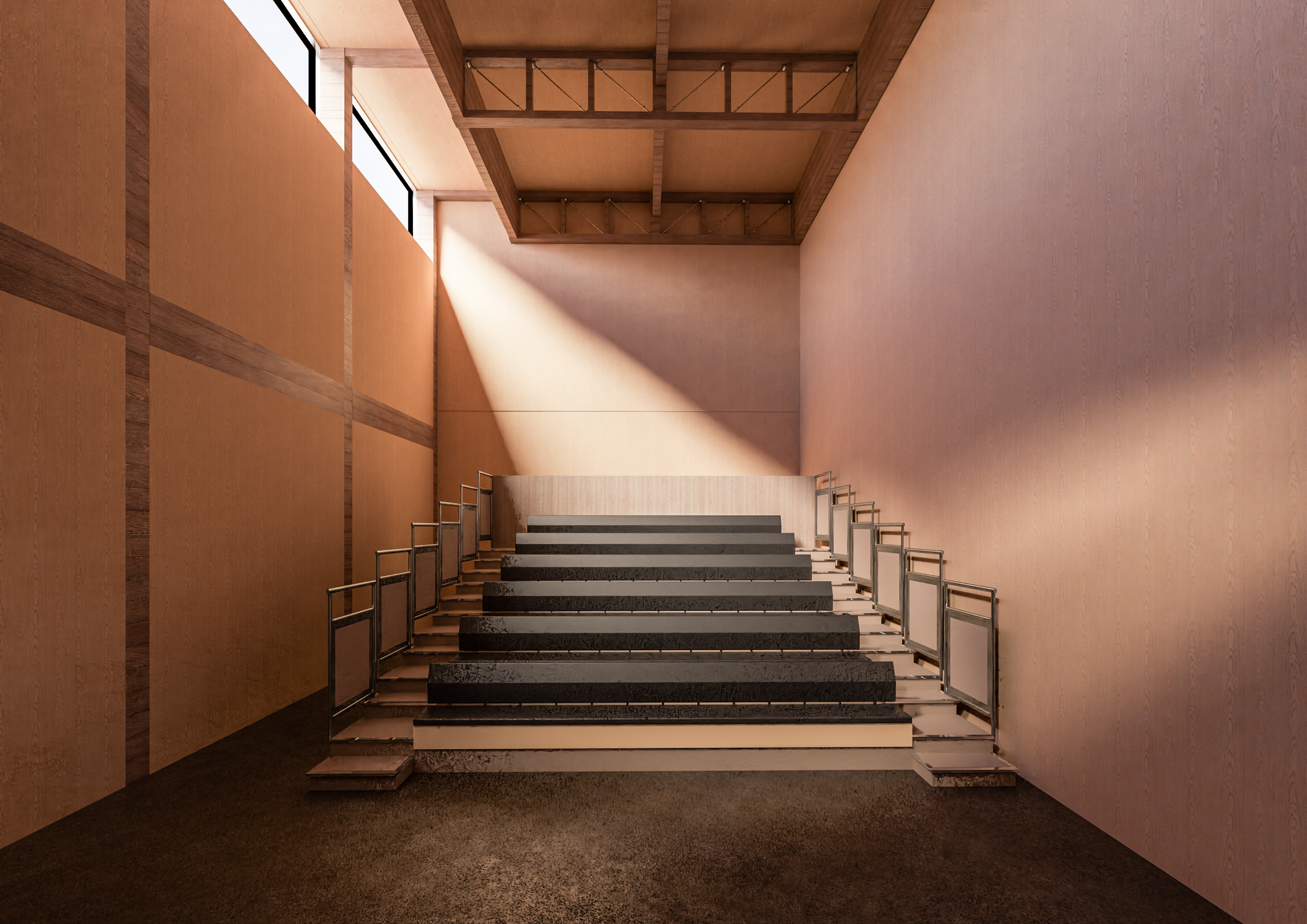
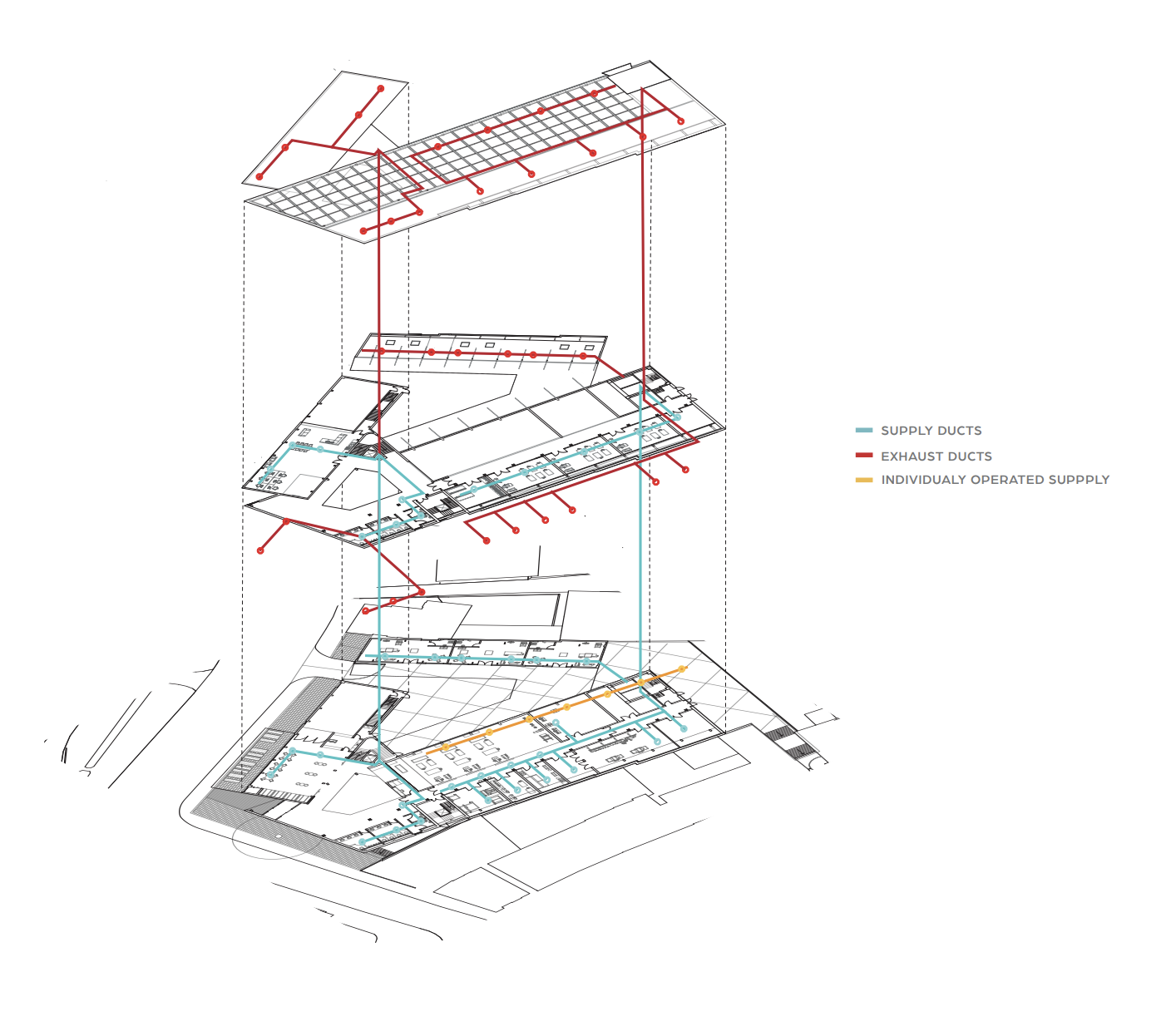
The environmental strategy limits the use of mechanical systems as much as possible and as such the building employs a fabric-first approach. It also uniquely repurposes an existing fire drill tower as a “windcatcher”, taking advantage of the wind and stack effect to passively provide the high air change rates required by the workshop and incubator unit spaces.
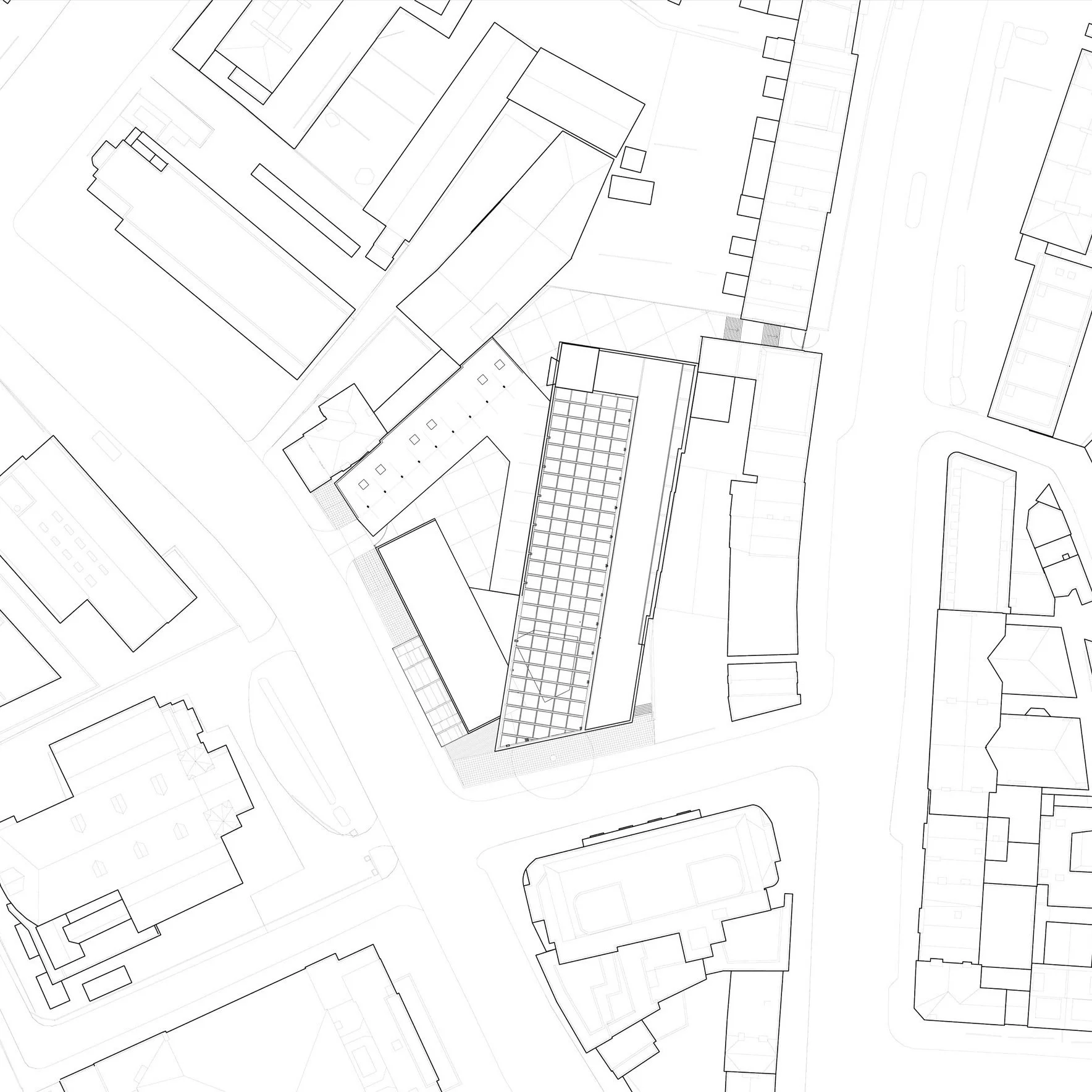
Site Plan
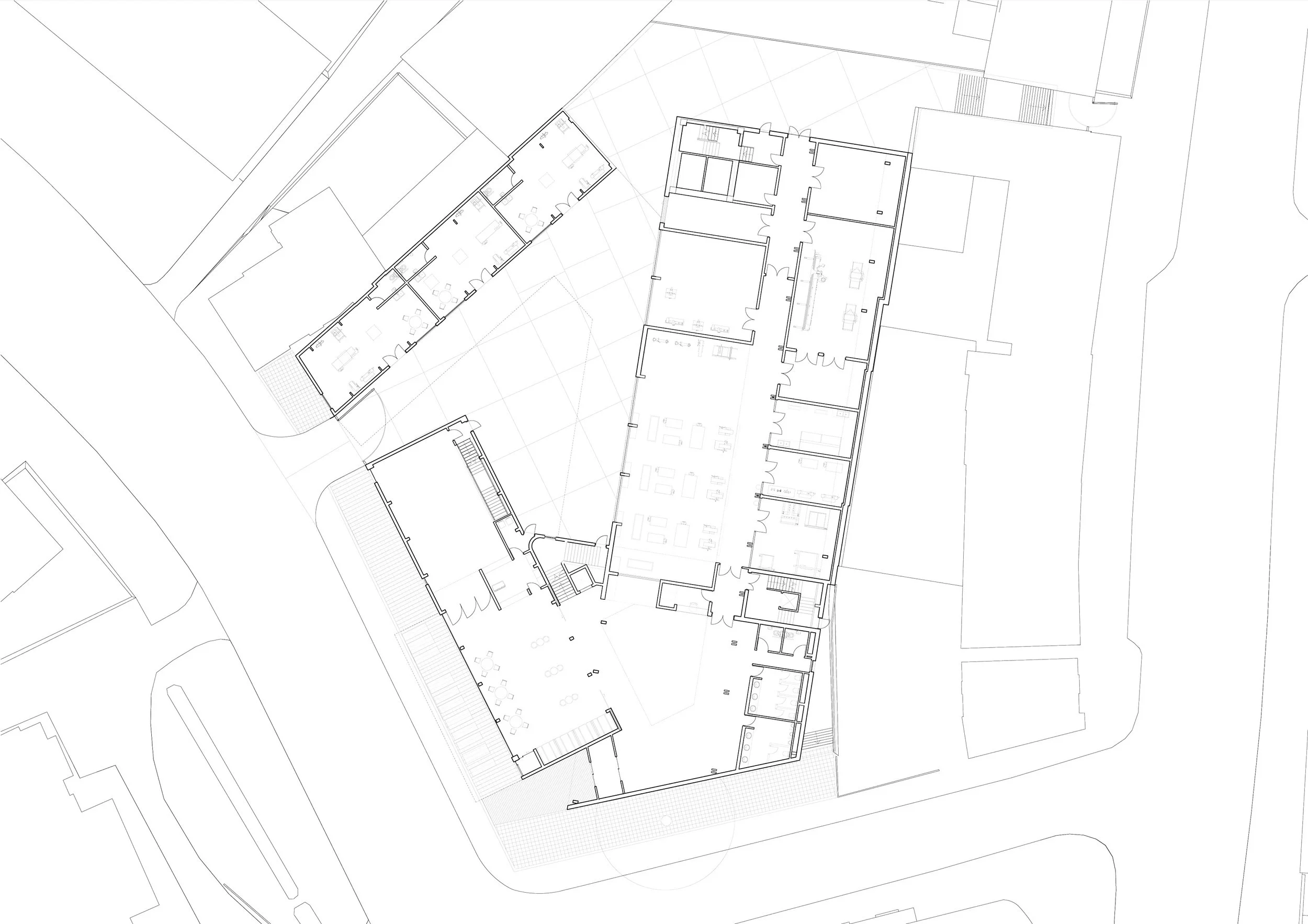
Ground Floor Plan
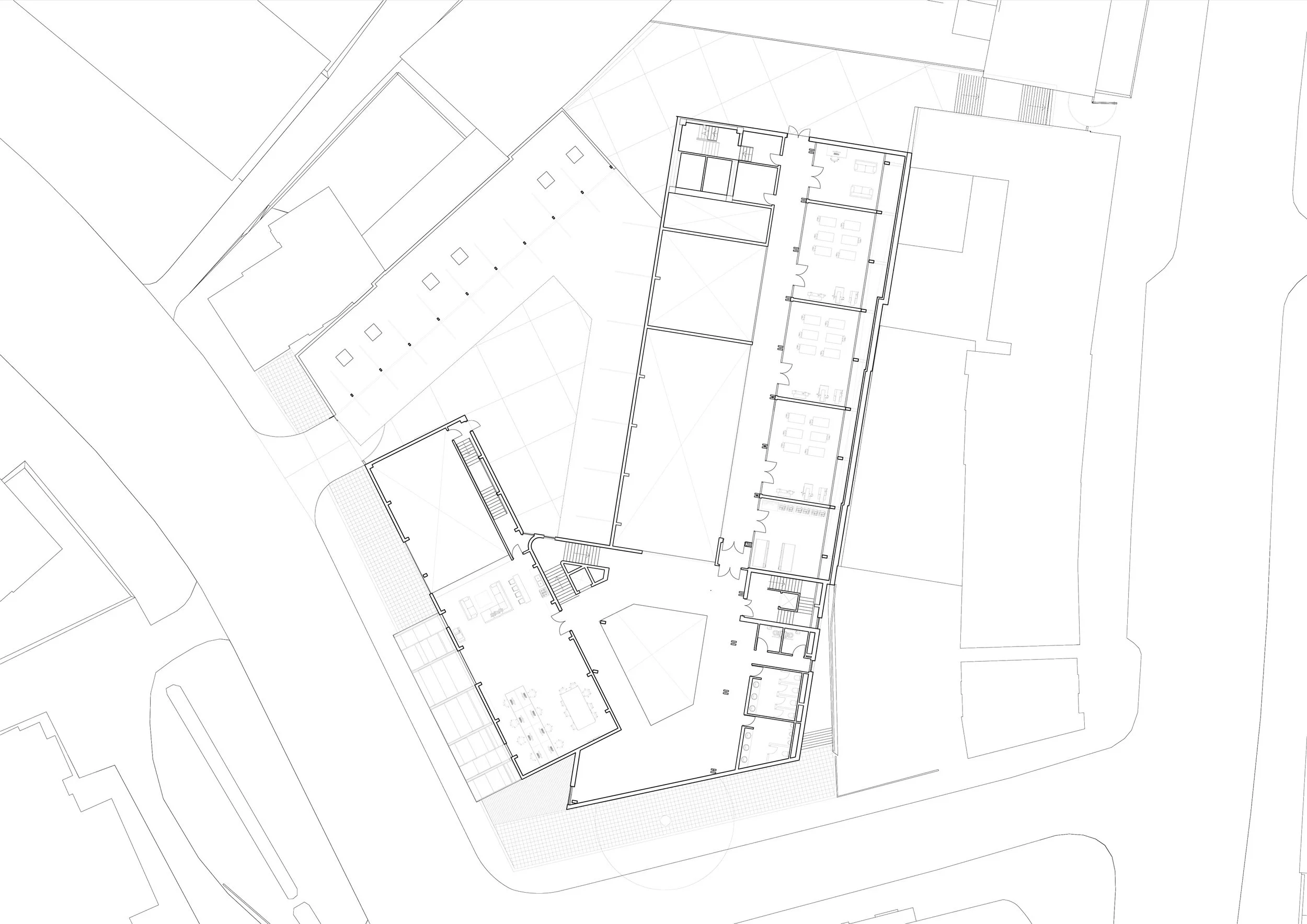
First Floor Plan
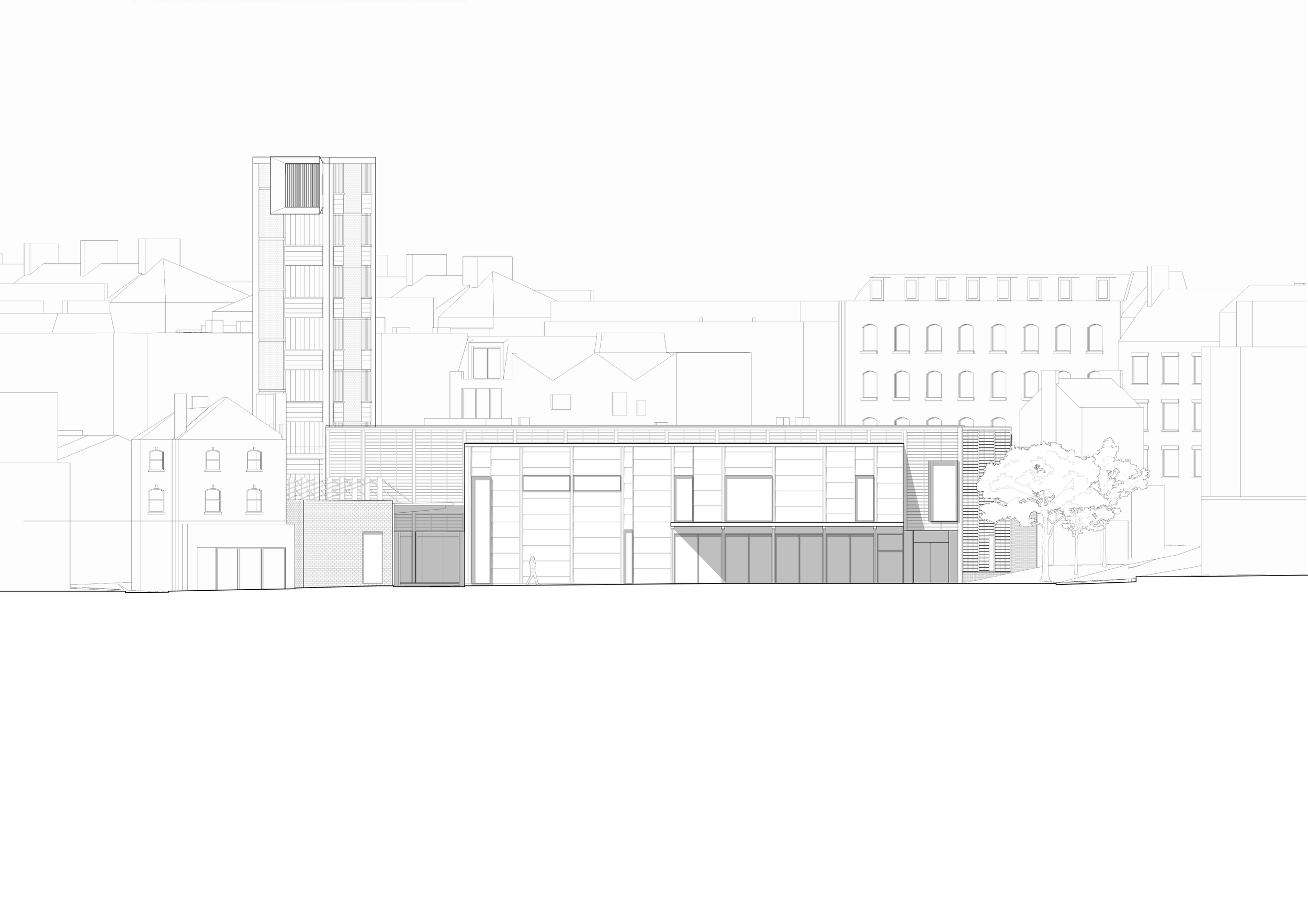
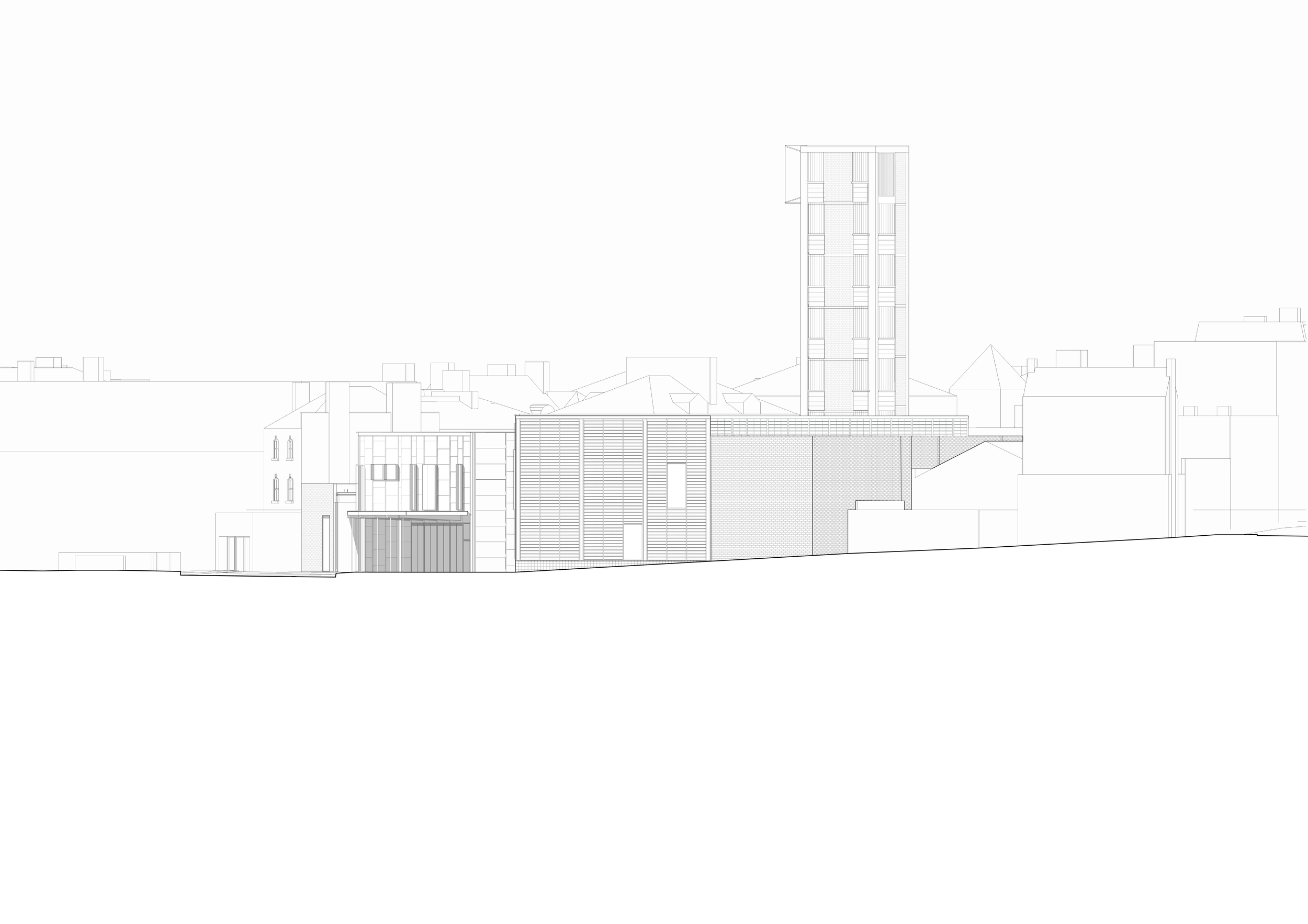
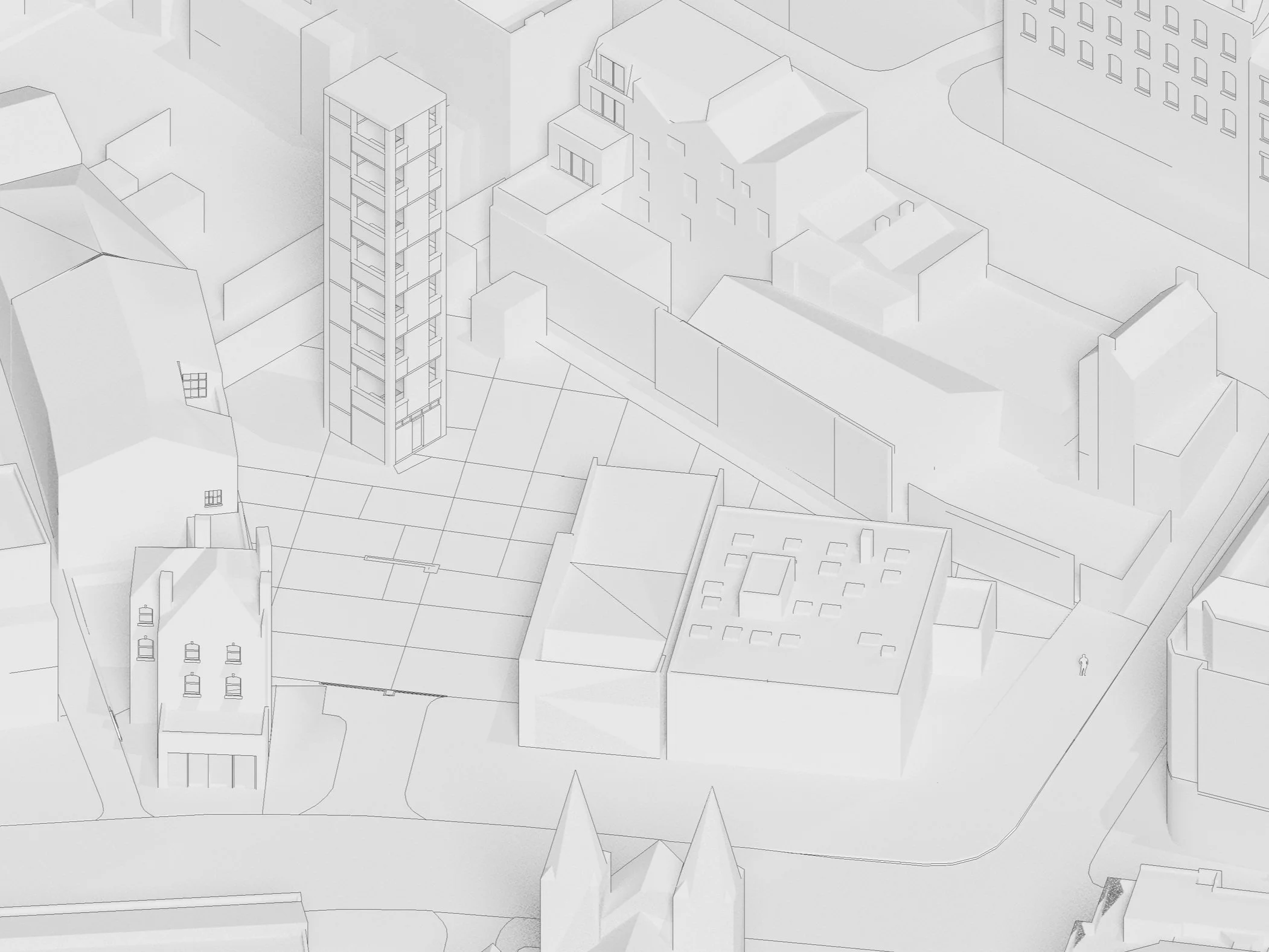
EXISTING SITE
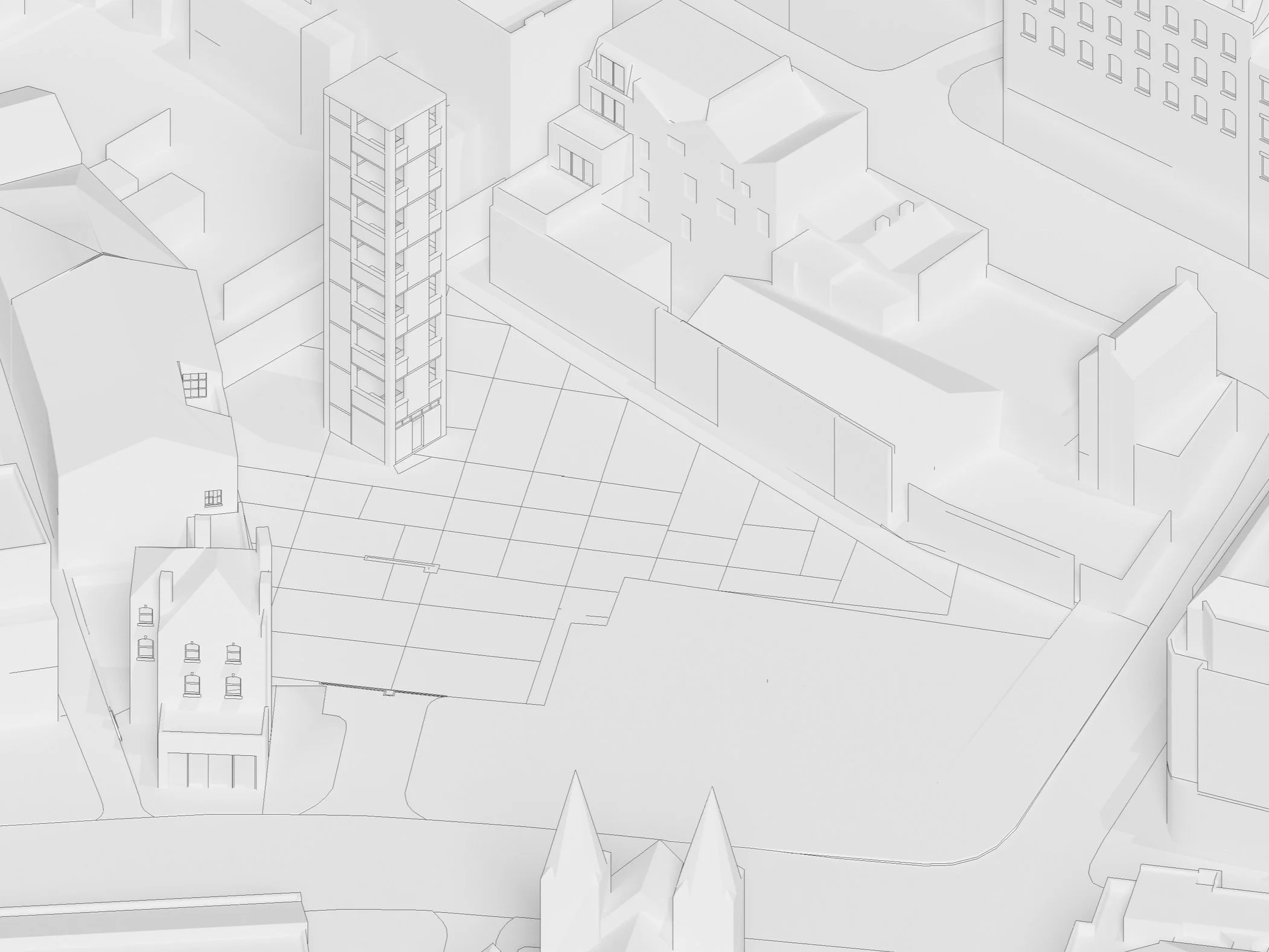
FIRE STATION DEMOLISHED
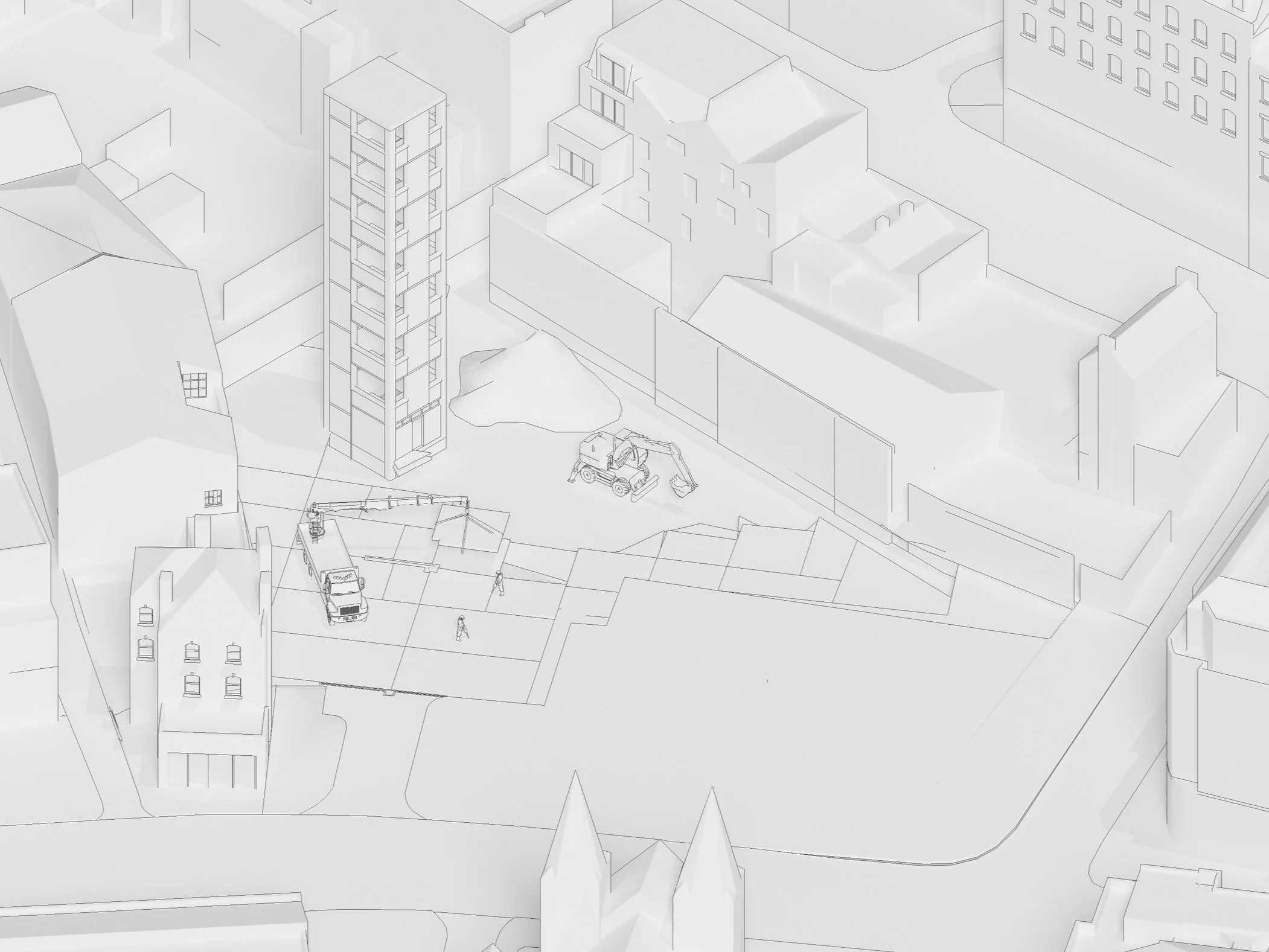
CONCRETE SLAB CUT AND REMOVED
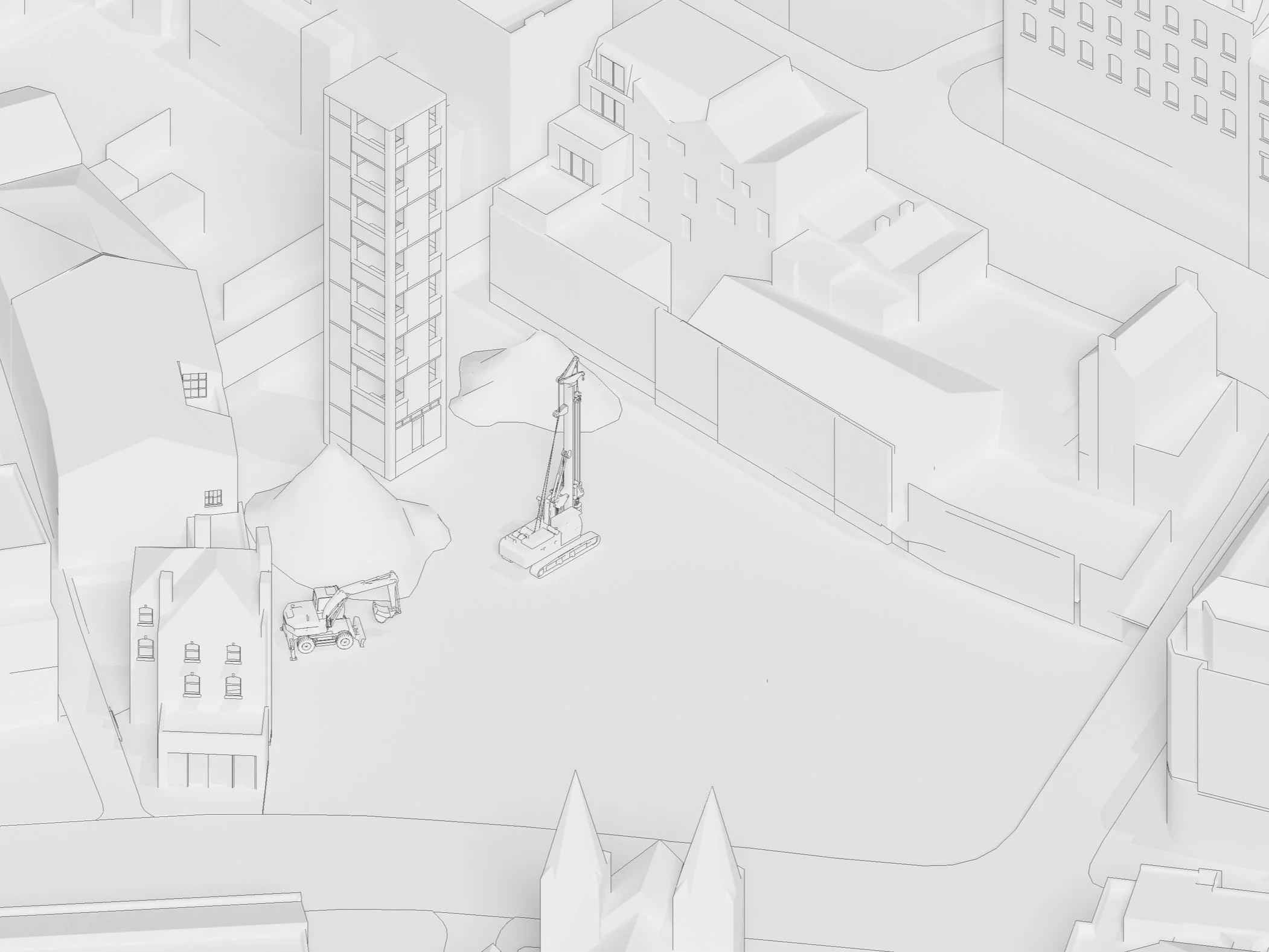
PILES DUG FOR GROUND SOURCE HEAT PUMP
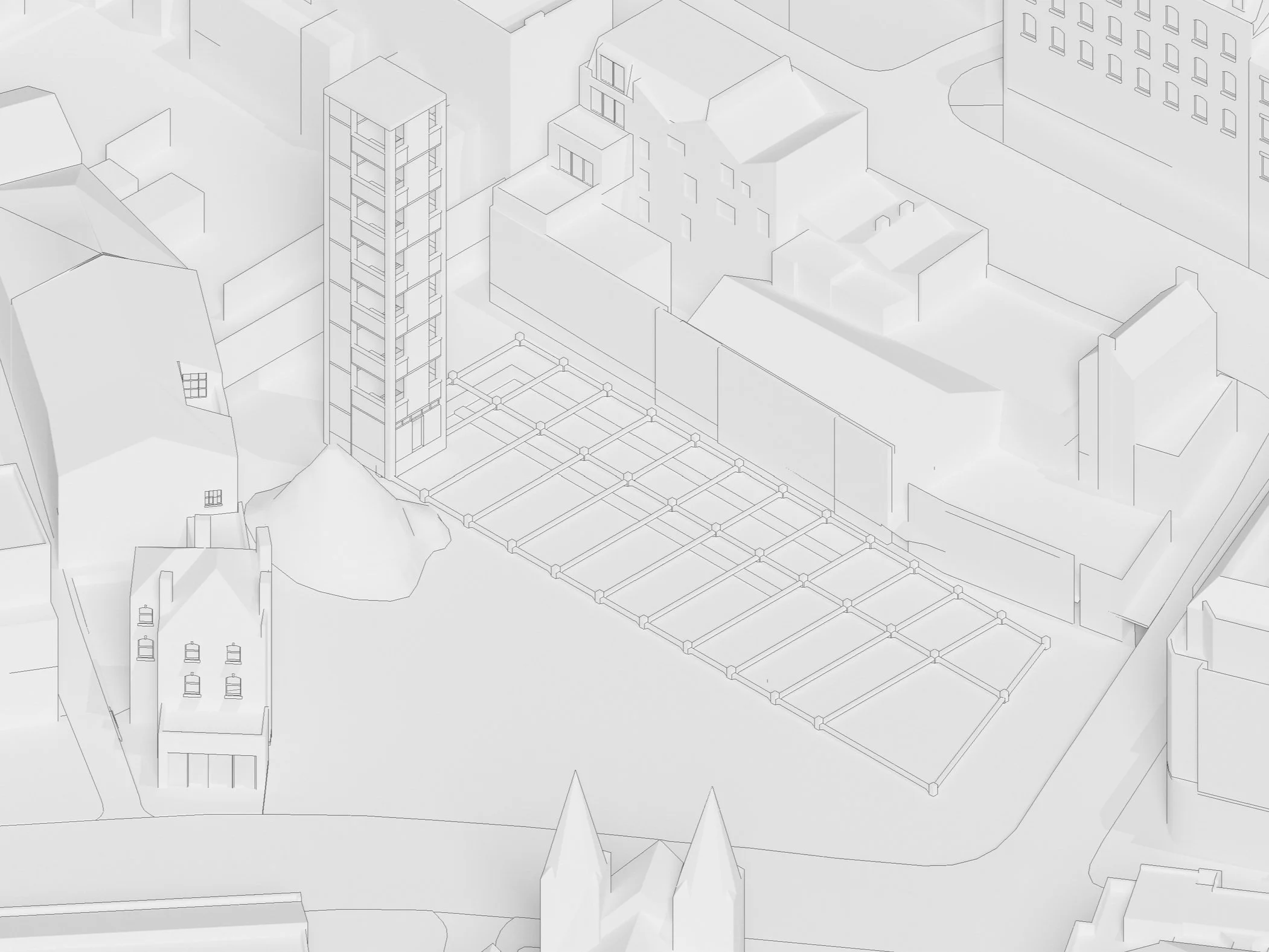
CONCRETE SUBSTRUCTURE CAST WITH SPACE LEFT FOR DUCTING
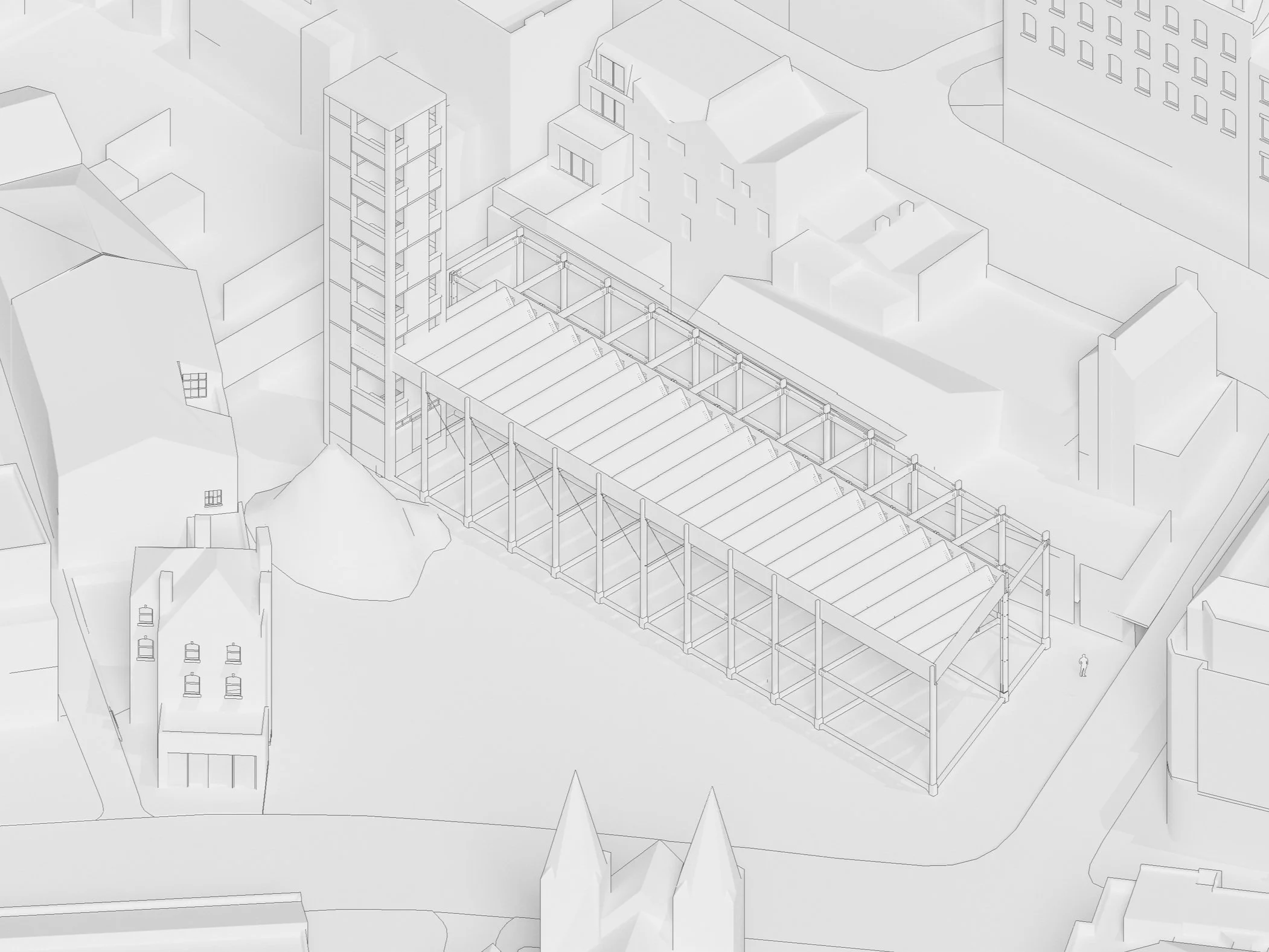
GLUALM FRAME IS CONSTRUCTED
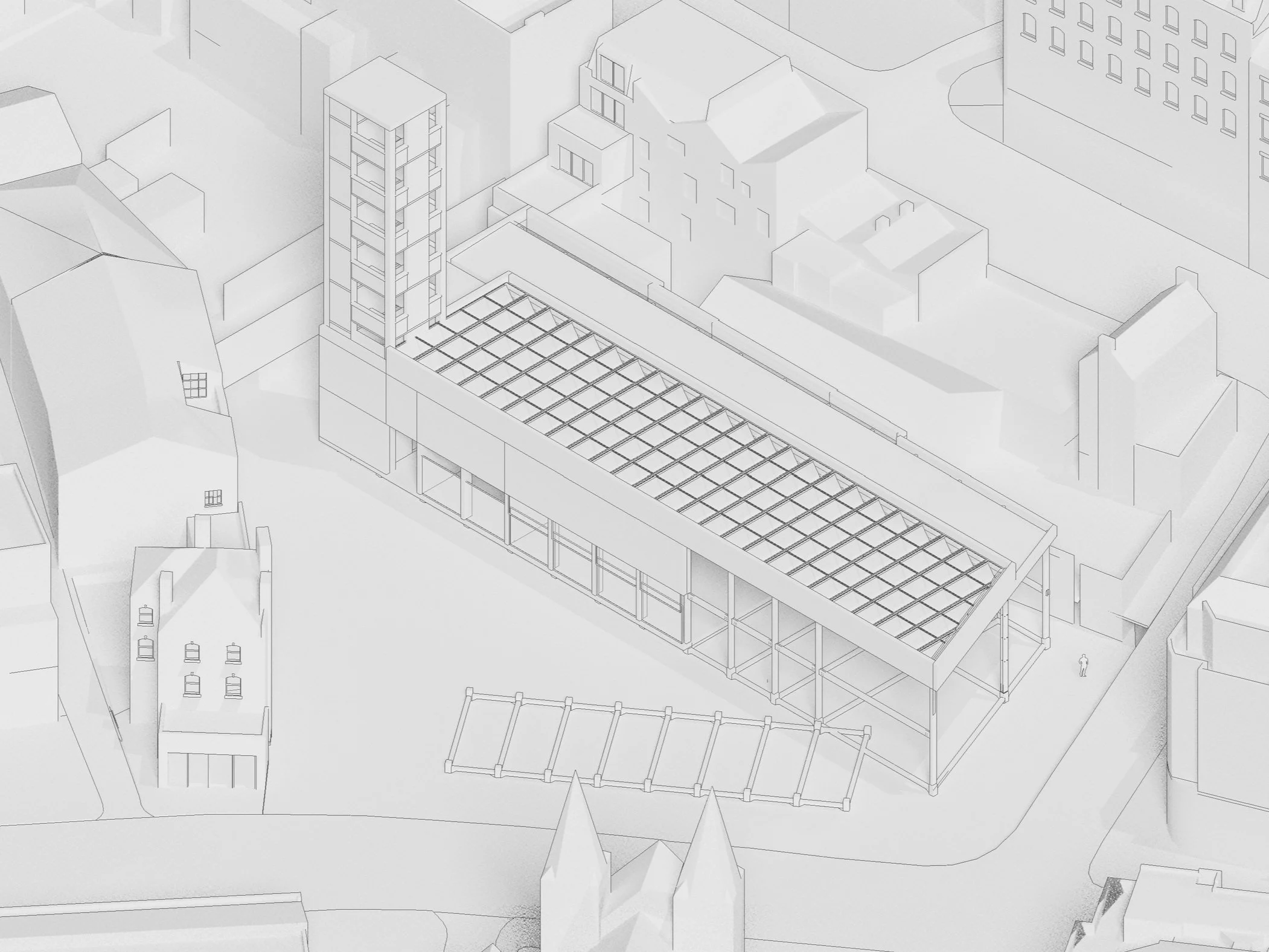
WORKSHOP CLAD AND COMMUNITY CENTER SUBSTRUCTURE LAID
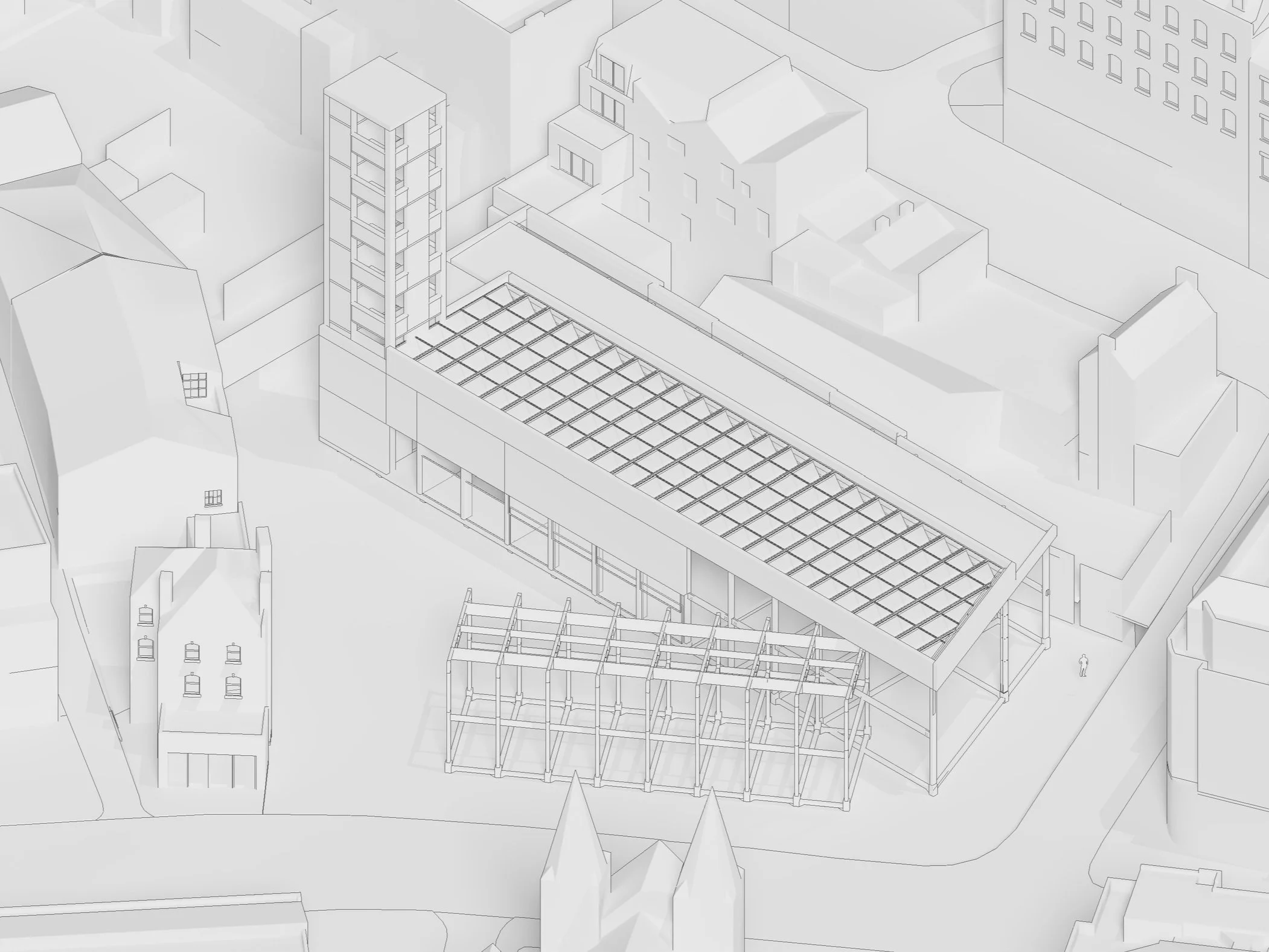
COMMUNITY CENTRE FRAME CONSTRUCTED
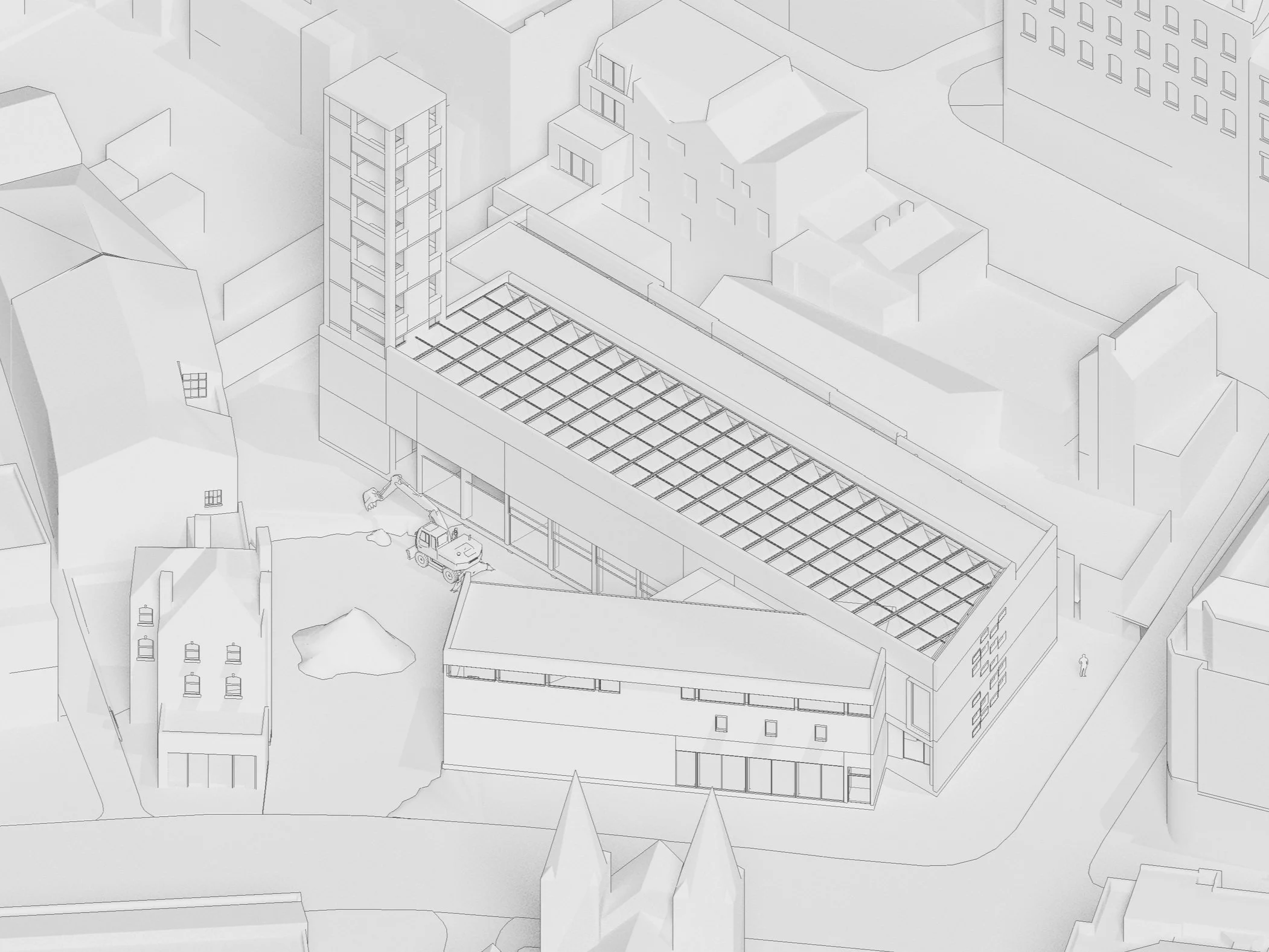
BUILDING CLAD
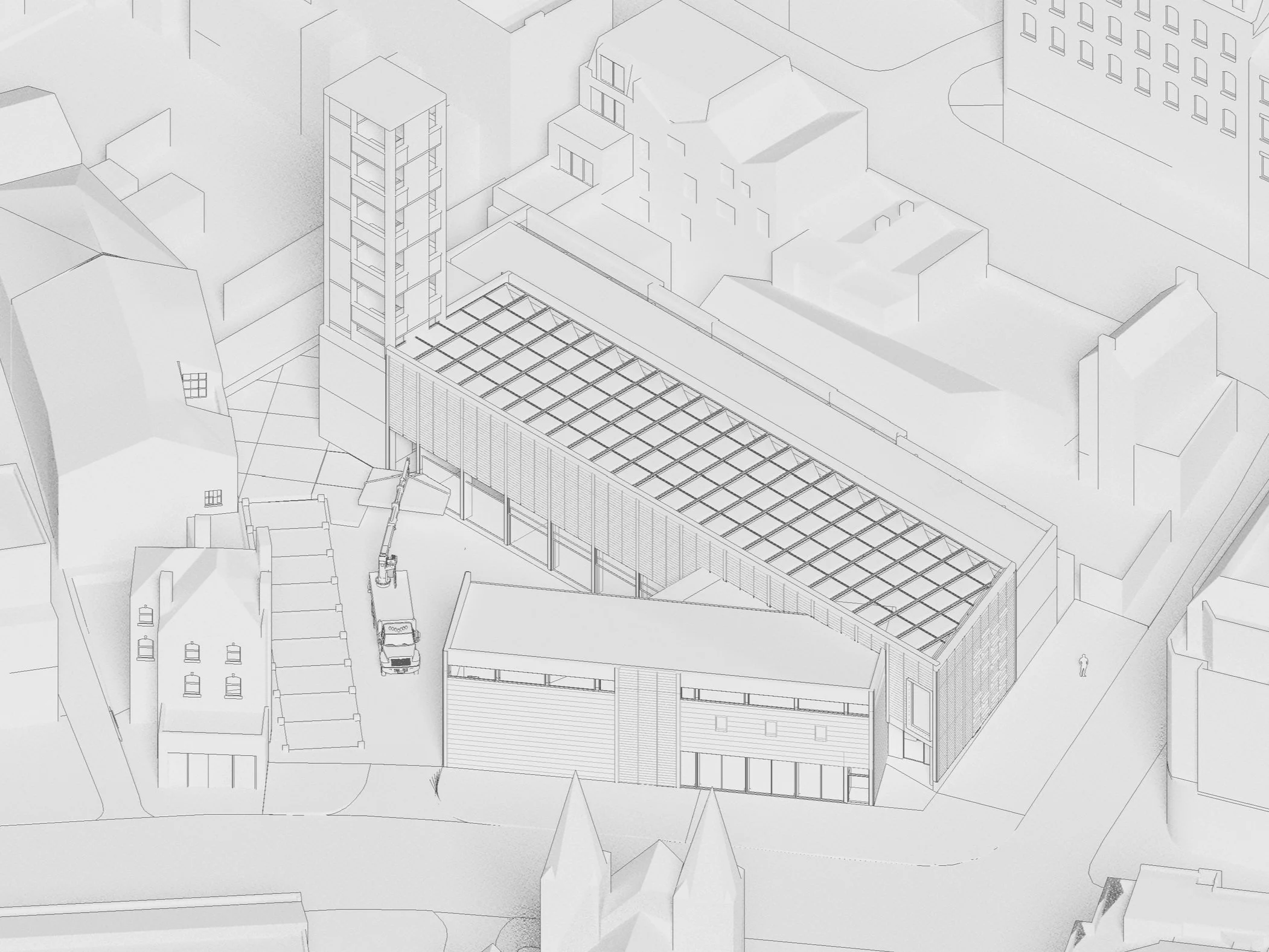
INCUBATION UNITS SUBSTRUCURE LAID AND SLABS REINTRODUCED
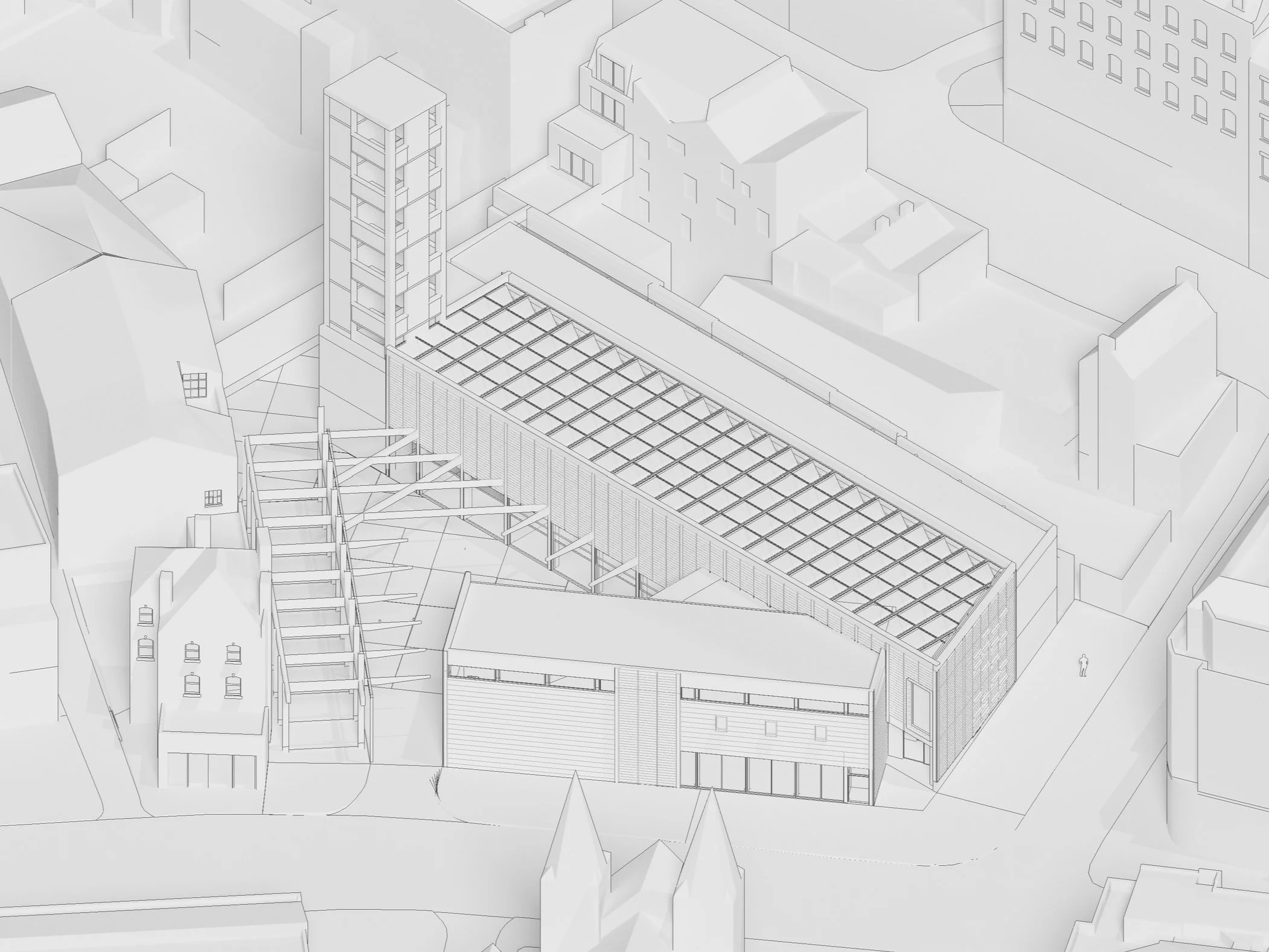
INCUABTION UNIT FRAME CONSTRUCTED
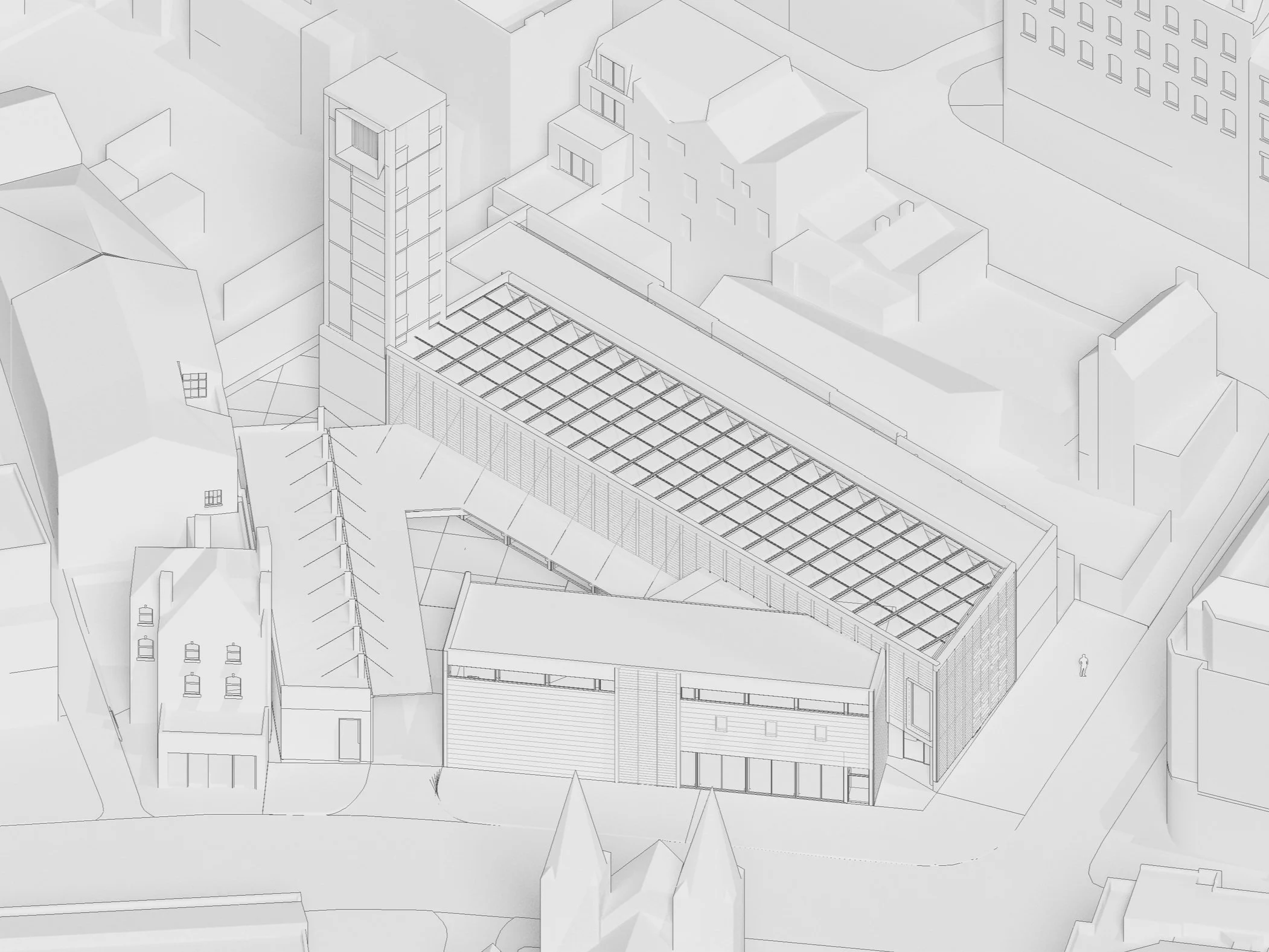
INCUABTION UNITS CLAD and courtyard roof is finished
Tectonic Details
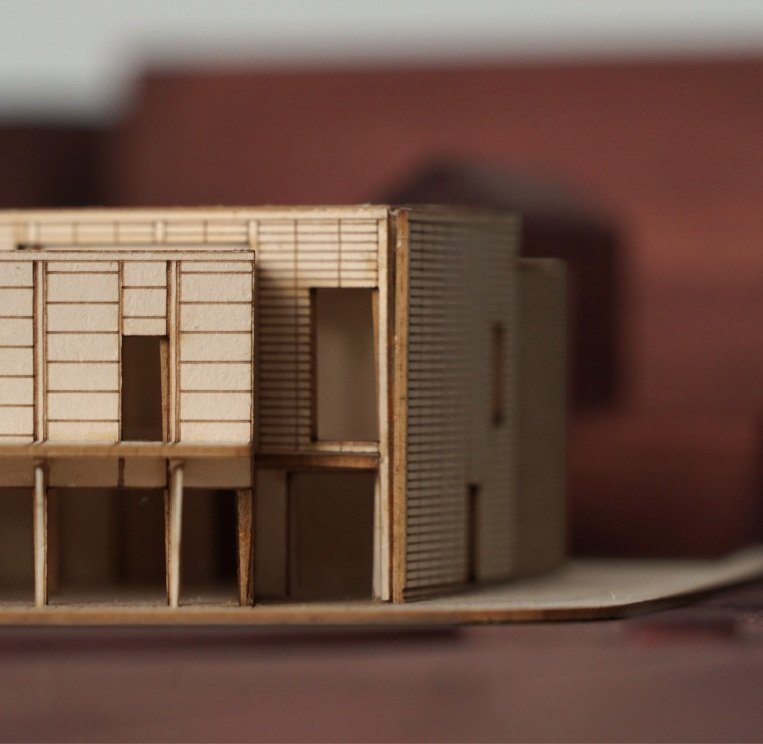
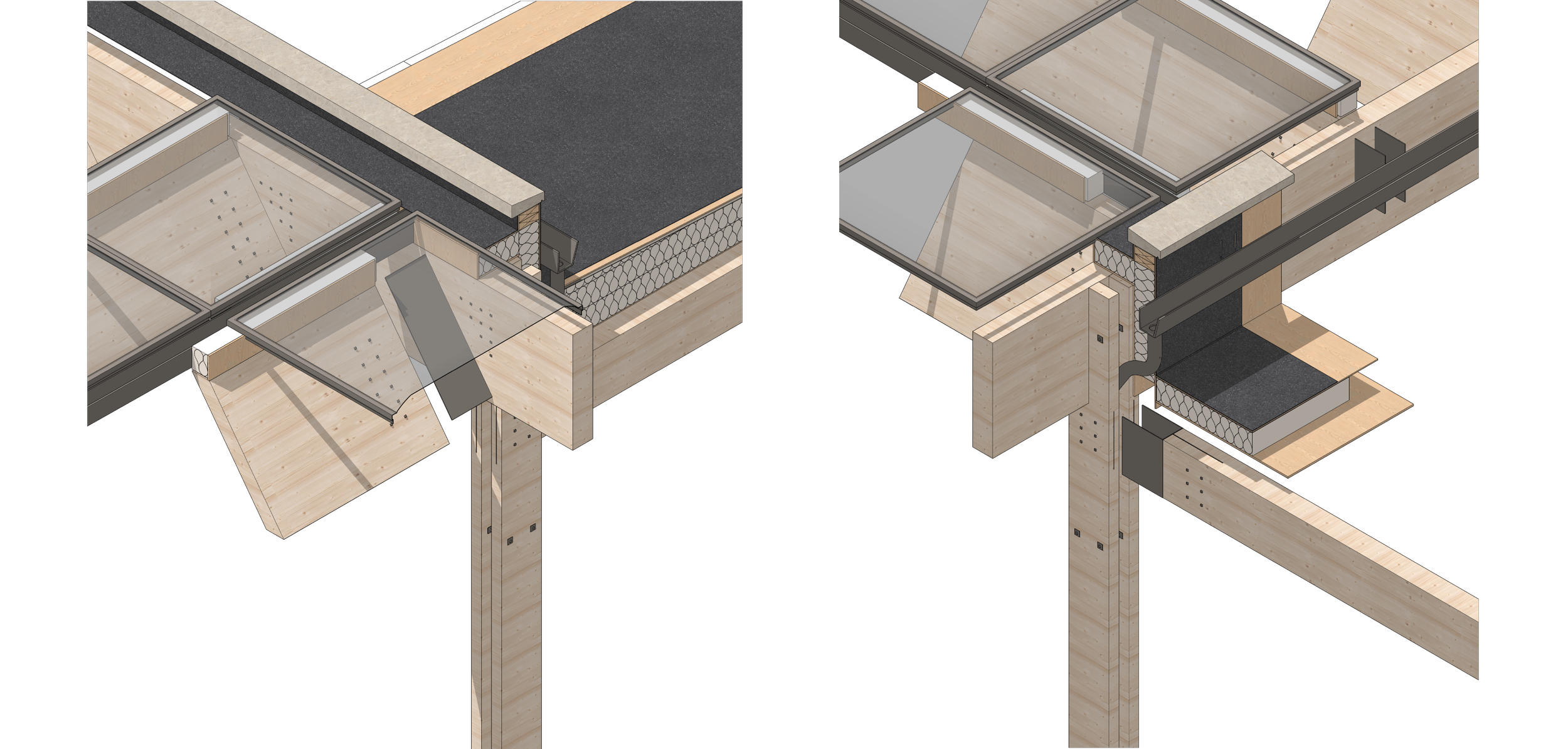
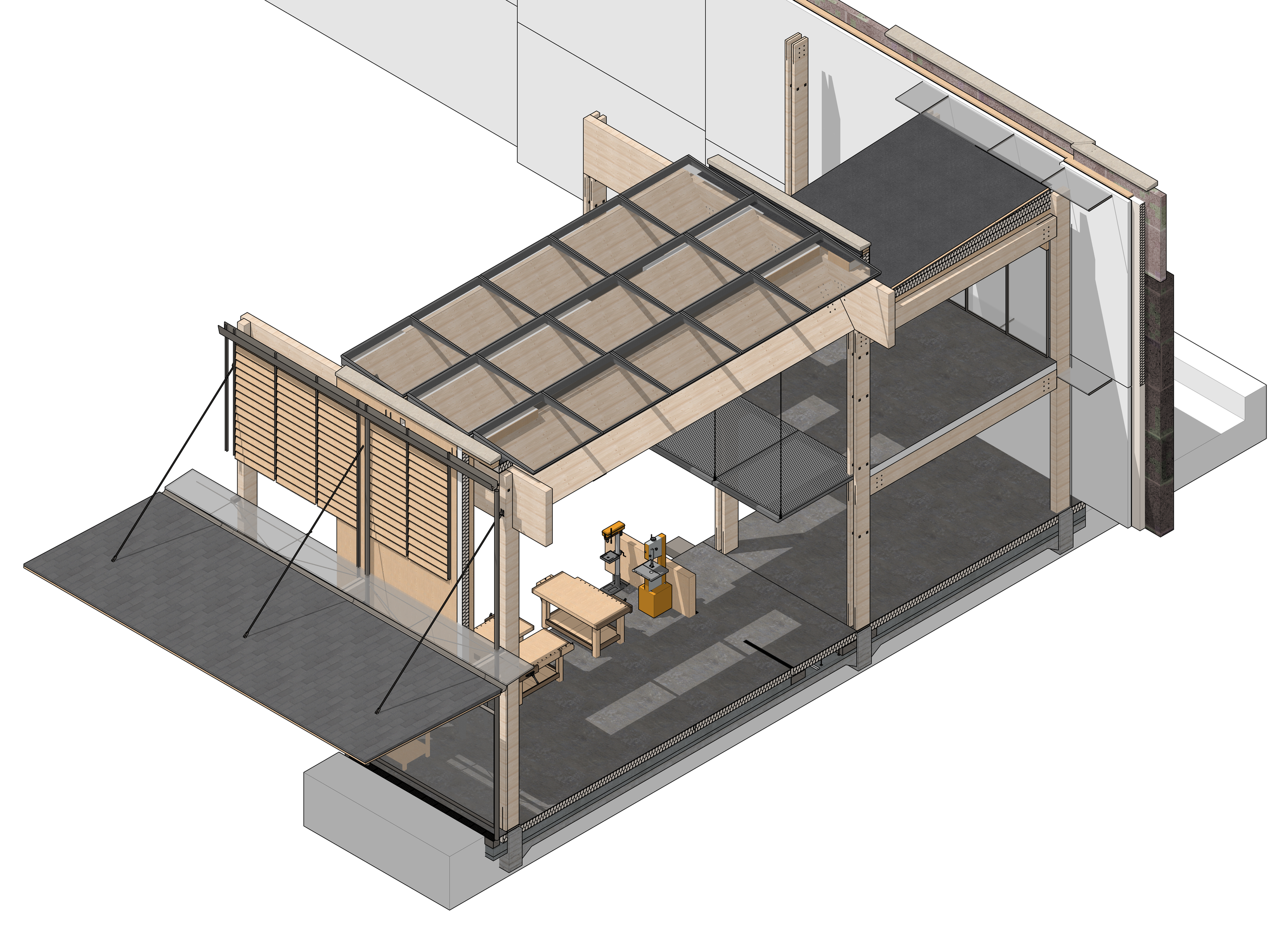
The buildings material choice mirrors the materials that will be processed within the building. The main frame consists primarily of glulam set on concrete pile foundations, this material is used in both the main workshop space and the incubator units. The frame of the community space differs slightly, using raw timber rather than glulam.
Both the timber and glulam frame will be fastened via metal plate connections with exposed detail bolts to highlight the joints making the structure easy to understand.
Cables are also utilized throughout the building; as a substitute for beams above the main workshops guillotine doors, in tension to hold up the courtyard roof, within the truss spanning the community centre and in both mezzanine floors to hold up the floor plate.
Ventilation Strategy
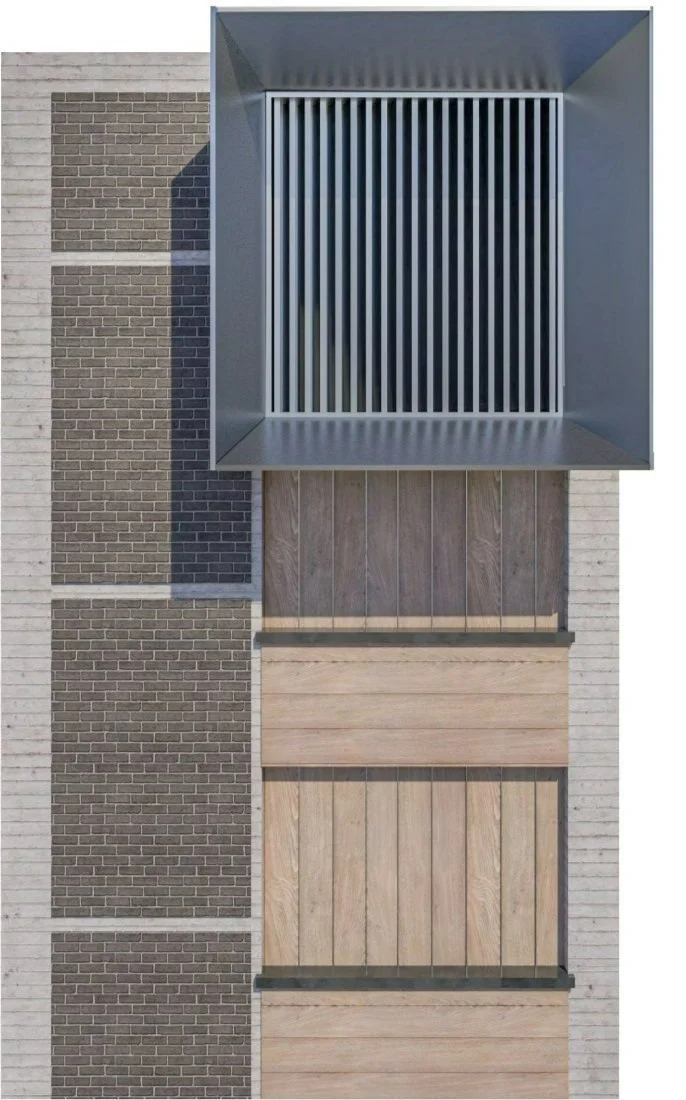
The existing drill tower on the site is the tallest structure in the local area and it felt a shame to demolish the tower. The structures orientation means that as is it almost directly faces the prevailing wind direction making it ideal to be used as a windcatcher, some early calculations proved that the tower could provide a reasonable amount of ventilation and play a pivotal role in the function of the new building.
The system works primarily with a tall structure by way of stack effect but in addition utilized the wind to drive wind into the shaft and negative pressure on the opposite side to draw out air.
To ensure that this structure was sufficient in its role I looked at existing examples of wind towers, the Monodraught system is one of the most popular systems on the market.
With the extension the windcatchers opening is increased above 10m² meaning that, at the UK average wind speed of 8ms, the wind alone provides above 100m³/m of air flow.
The stack effect provides most of the air flow with the structures 19m height providing over 940m³/m of air flow.
the total air flow then is 1040m³/m on the average UK day, this is almost a worst case scenario, on colder or warmer days the system becomes more effective meaning that the boost fan will only be required 10 days in the year.
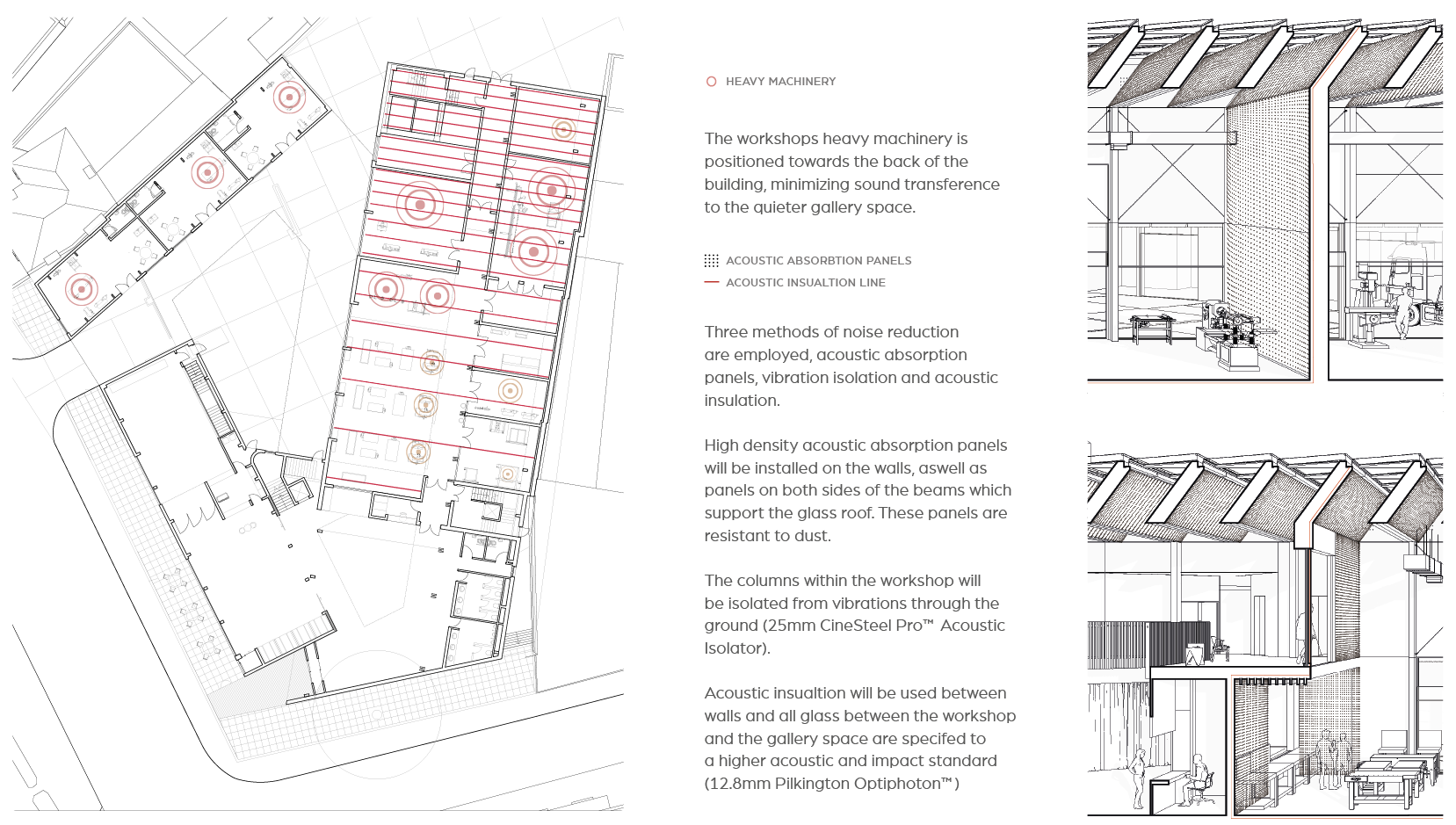
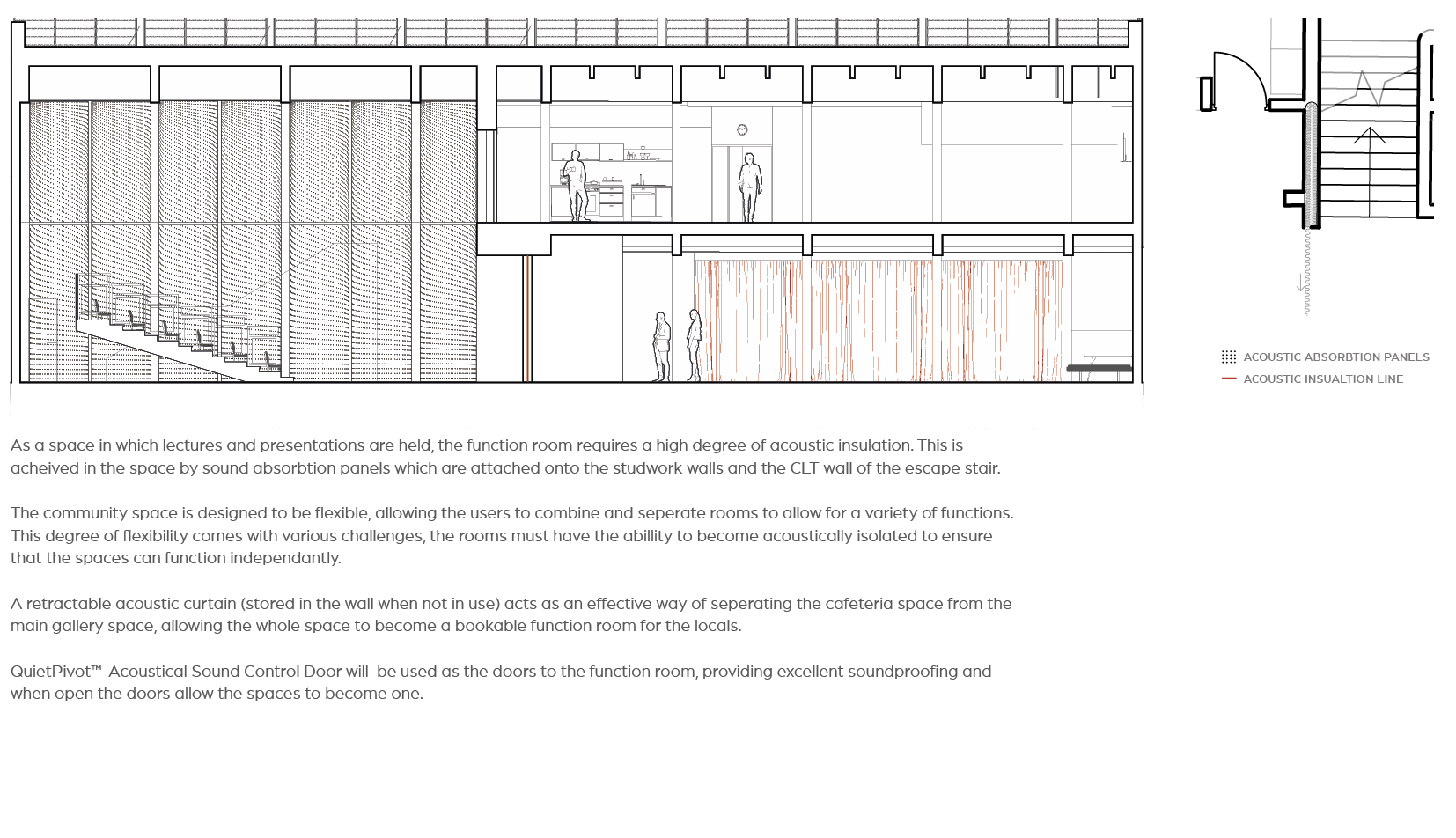
Acoustic Strategy